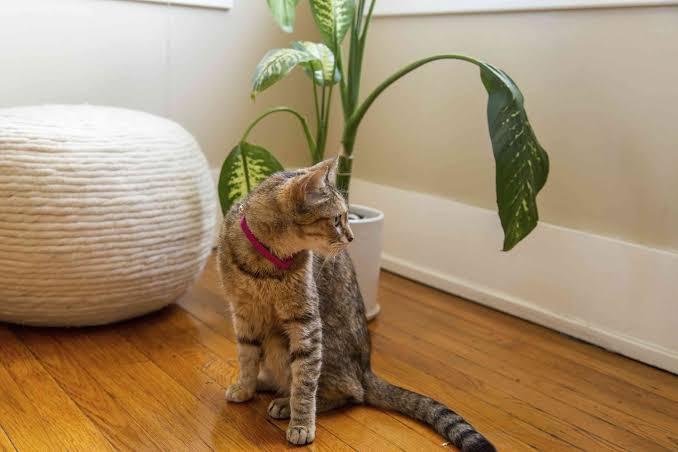
Last updated: August 11, 2026
- Key Facts – True lilies are the highest-risk common houseplants for cats.
- Because they’re common, look harmless, and sit exactly where curious animals can reach them.
- A common mistake is seeing “non-fatal” and relaxing.
- Here’s how I would stack the most common toxic houseplants from a pet-safety angle.
Quick Answer: Eight common houseplants account for most pet toxic plant calls in many homes, and the most urgent risks are true lilies, sago palm, and oleander. Got a chewed leaf? Identify the plant fast, then call a veterinarian or poison hotline.
Your dog just mouthed a leaf. Your cat is batting a stem across the floor. So which common household plants that are toxic dogs cats are actually dangerous, and what should you do now? I write about common household plants that are toxic dogs cats for a living because people need plain, steady answers when a nibble turns into a small crisis.
Key Facts
– True lilies are the highest-risk common houseplants for cats.
– Sago palm, oleander, and dieffenbachia deserve extra caution in pet homes.
– Pothos, philodendron, peace lily, snake plant, and aloe are common indoor plants, but they can still cause mouth pain, drooling, or vomiting.
– If you can’t identify the plant, take a photo and call a veterinarian.
– ASPCA and Pet Poison Helpline both maintain plant toxicity references for pets.
The Houseplants I Would Remove First
Lilies, sago palm, pothos, philodendron, peace lily, snake plant, aloe, dieffenbachia, and oleander would be the first plants I’d pull from a pet home. Not because every one is equally dangerous. Because they’re common, look harmless, and sit exactly where curious animals can reach them.
“Houseplant” sounds gentle. It isn’t always. Some species merely irritate; others bring vomiting, mouth pain, drooling, tremors, or worse. Cats are especially vulnerable to true lilies, and even a small exposure can become an emergency. Dogs are more likely to sample greenery with their mouths, so they run into a different mix of problems: stomach upset from pothos or philodendron, or serious illness from sago palm.
Remember this, and don’t sit on your hands: wait for symptoms and you may be too late. Prompt rinsing plus a call to your veterinarian or a pet poison hotline is the safest move for many plant exposures, depending on the plant and how much was eaten. If your pet has eaten a lily, sago palm, or oleander, treat it as urgent and consult a veterinarian or poison specialist right away. For a reliable plant-by-plant reference, I trust the ASPCA’s toxic and non-toxic plant database and Pet Poison Helpline’s plant lists:
– ASPCA: https://www.aspca.org/pet-care/animal-poison-control/toxic-and-non-toxic-plants
– Pet Poison Helpline: https://www.petpoisonhelpline.com/poison-plants/
Lilies: The Plant I Would Remove From Any Cat Household
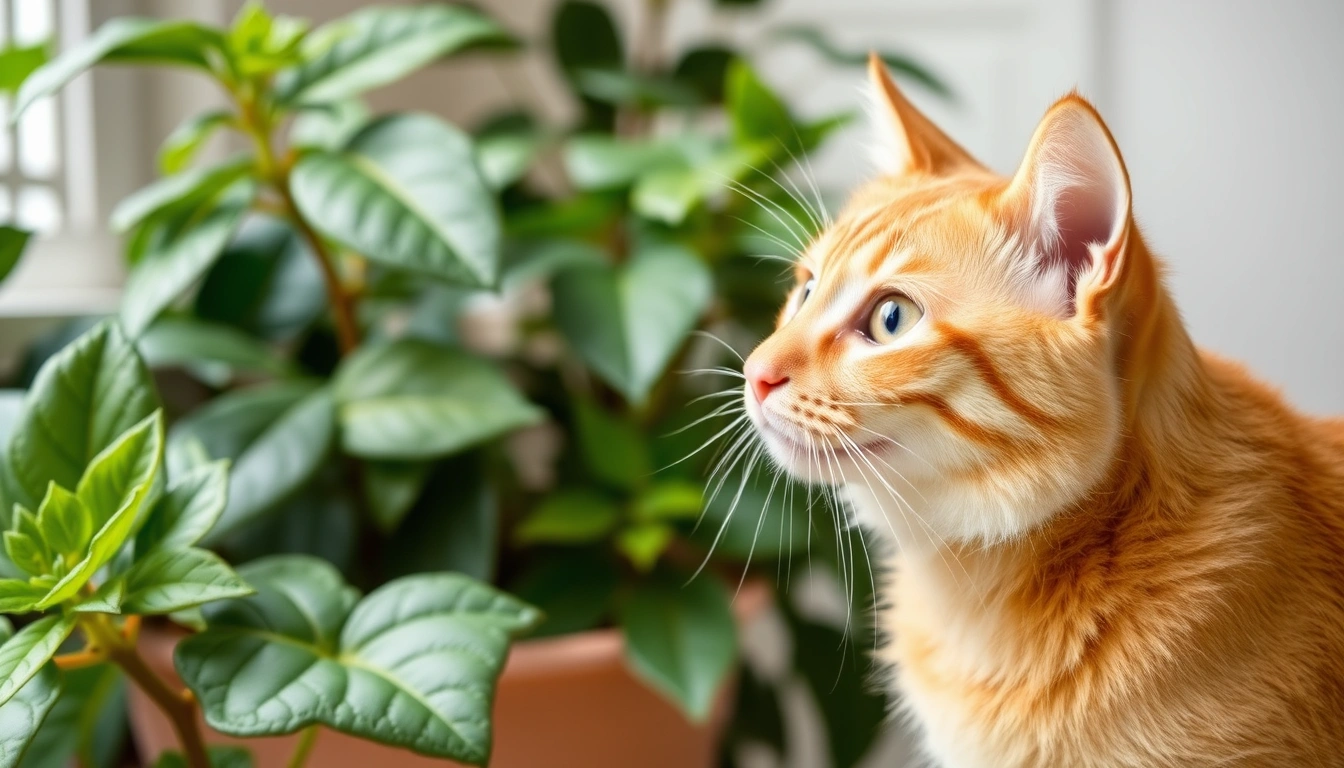
Lilies are the most urgent risk because they are uniquely dangerous to cats. I would not keep true lilies in a home with cats at all. That includes Easter lilies, tiger lilies, Asiatic lilies, daylilies, and several other true lilies. And the danger is not limited to the bloom. Pollen, leaves, petals, and even vase water can be a problem.
“Just keep it out of reach” sounds tidy. Cats laugh at that. They jump. A centerpiece on a table can end up on the floor in seconds, and a few pollen grains on fur may be licked off later. So the plant is risky even before a cat bites it. Dogs are less famously sensitive to true lilies, but I still would not invite the plant indoors if a dog lives there. In a mixed-pet home, the cat risk alone is enough to veto it.
Lilies have obvious appeal: they look elegant, smell strong, and are sold everywhere. That popularity is the catch. People bring them home without realizing they are dealing with one of the most serious common household plants that are toxic dogs cats, especially for cats.
Who should skip lilies entirely: cat owners, foster homes, multi-pet households, and anyone who cannot guarantee the plant will never be accessible.
What to do if exposure happens: remove plant material from the mouth if you safely can, rinse fur or paws if pollen got on them, and call your vet or an emergency clinic immediately. Do not wait for vomiting or lethargy. Kidney injury can develop after the first signs are easy to miss. For more detail, I would also consult the ASPCA and a veterinarian before trying home remedies.
Pothos, Philodendron, and Peace Lily: Common, Pretty, and Not Pet-Friendly
These are the plants I see most often in homes that look safe at a glance, and that is exactly why they create confusion. Pothos and philodendron get bought because they handle low light and never seem fussy. Peace lilies are marketed as easy indoor plants. Snake plants have a clean, modern look. None of that makes them pet-safe.
Pothos and philodendron contain calcium oxalate crystals, which can cause mouth pain, drooling, pawing at the face, and vomiting. Peace lily can do the same. Snake plant is usually less dramatic, but it can still cause gastrointestinal upset. Aloe is another common plant that many people keep for its “calming” reputation, yet it can trigger vomiting and diarrhea if a pet chews it.
I would not put these in the same danger bucket as true lilies or sago palm. But I would still call them annoying and, sometimes, serious. The practical snag is simple: the easiest plants to grow are often the easiest for pets to reach, because they sit on the floor, hang at nose level, or get tugged off shelves.
Best for: homes without pets, or homes where the plant can be kept completely inaccessible in a closed room or high, pet-proof location.
Who should skip them: kittens, puppies, bored adult pets, and anyone whose animal already likes to chew leaves or dig in pots.
A common mistake is seeing “non-fatal” and relaxing. Don’t. A cat with a mouth full of crystal-coated plant tissue may not be in mortal danger, but it can be miserable, and repeated vomiting or swelling deserves veterinary attention. If symptoms are more than mild, call your vet. That math stops working fast.
Sago Palm, Oleander, and Dieffenbachia: The Ones I Treat With Real Respect

If I had to rank plants by “I do not want this in a pet home,” sago palm and oleander would be near the top. Sago palm is especially dangerous because every part of the plant is toxic, and ingestion can lead to severe illness. Oleander is another plant I would keep out of any pet-accessible area; it is not a casual nuisance plant. Dieffenbachia, also called dumb cane, is less about systemic poisoning and more about intense mouth irritation, swelling, and drooling.
Here’s the honest trade-off: these plants can look striking, which is exactly why people buy them. Pets, of course, don’t care about décor. One chewed leaf can turn into a very expensive and stressful emergency. With sago palm, I would not wait around to “see how it goes.” For oleander, the same caution applies.
Dieffenbachia sits in a slightly different bucket. It is not usually the plant I’d fear most for life-threatening poisoning, but I do care about it because the mouth pain can hit immediately and be bad enough that a pet may refuse food or water. That can snowball, especially in smaller animals.
Who should avoid these plants: anyone with pets that chew, lick, paw, or dig. In my view, that is most pets.
Strengths: they are durable, decorative, and easy to find.
Weaknesses: the downside of “easy to find” is that they are easy to bring into a home where they do not belong. If you already own one, the safest solution is to move it where pets cannot access it at all, not just “watch carefully.”
The Honest Side-by-Side
Need the fast comparison? Here’s how I would stack the most common toxic houseplants from a pet-safety angle.
| Criteria | Lilies | Pothos / Philodendron / Peace Lily / Snake Plant / Aloe | Winner for [condition] |
|---|---|---|---|
| Risk to cats | Very high, especially true lilies | Usually irritation or GI upset, depending on plant | Lilies for cat households that need the strictest caution |
| Risk to dogs | Variable, but still not worth the gamble | Commonly causes mouth/GI irritation; usually less severe than lilies | Houseplants grouped here for most dog-only homes |
| Severity if chewed | Can be urgent and severe | Often milder, but still unpleasant and sometimes serious | Lilies when any cat exposure is possible |
| Likelihood of accidental exposure | High because cats jump and pollen spreads | High because these plants are common and placed within reach | Tie |
| Ease of recognition | Many people do not know which “lily” they own | Often sold under familiar names | Grouped plants; labels are often clearer |
| Suitability for pet homes | Poor | Poor to fair only if fully inaccessible | Neither is ideal |
| Emergency urgency | Immediate veterinary contact | Vet contact if symptoms appear, especially with significant chewing | Lilies |
| Best use case | None in a cat home | Homes without pets or with excellent containment | Grouped plants for non-pet homes |
The Specific Situations Where a Plant Becomes a Bigger Problem
A toxic plant is not just about the species. The setup matters. I would be much more concerned if any of these are true:
- Your pet is young, bored, or known to chew leaves.
- The plant sits on the floor, a low shelf, or a table a cat can reach with one jump.
- You have more than one pet, because one may knock the plant down for another to inspect.
- The plant sheds pollen, sap, or small bits that can end up on fur or paws.
This is where a lot of generic writing misses the mark: it treats exposure like it happens in a vacuum. It doesn’t. Pets interact with pots, spilled soil, fallen petals, and water bowls. A lily on a dining table is still a risk if pollen lands where a cat grooms later. A pothos in a hanging basket is safer than one draped over a side table, but “safer” is not the same as safe.
If you are trying to decide whether to keep a plant, I would use this rule: if you must constantly monitor it, you do not really have a pet-safe setup. A safe household plan should survive a distracted day. Simple, but true.
Our Verdict: Which One to Choose and Why
Choose true lily-free, pet-safe plants only if you live with cats, especially kittens or indoor cats that explore everything. Choose lower-risk, but still toxic, common houseplants only when they can be completely inaccessible if you have a dog that does not chew and you can control placement. Neither if your pet already eats plants, climbs furniture, knocks pots down, or has ever had a plant-related emergency.
That is the call I’d make. I would not try to “manage” true lilies around cats at all. For the other common toxic houseplants, I would only keep them if I had a genuinely pet-proof way to do it, and most people do not. If you are unsure, the safer choice is to replace the plant rather than gamble on training, deterrent sprays, or wishful thinking.
When to Reconsider This Choice Entirely
Sometimes the right answer is not “move the plant” but “remove it from the home.”
Reconsider the plant entirely if:
– your cat has already shown interest in chewing leaves,
– your dog eats grass, socks, or anything else it can reach,
– you cannot keep the plant behind a closed door,
– or you have a new pet and do not yet know its habits.
I would also reconsider if the plant is a gift and nobody in the house can identify it confidently. Unknown plant + pet household is a bad combination. Photograph it and check a trusted plant-toxic database before you place it anywhere accessible.
This is the part many readers skip, then regret later: changing the plant can be easier than managing the pet. That sounds blunt, but it is usually true.
What To Do If Your Dog or Cat Eats a Toxic Plant
Act first, research second. If you saw the bite, take a photo of the plant and keep a sample if it is safe to do so. Then call your veterinarian or a pet poison hotline. If the plant is a true lily, sago palm, or oleander, do not wait for symptoms to appear.
Do not induce vomiting unless a veterinarian specifically tells you to. Some plant exposures make that a bad idea. If your pet is drooling, pawing at the mouth, vomiting, acting weak, or having trouble breathing, consult a veterinarian or poison specialist promptly.
For dependable guidance, I would start with your veterinarian, the ASPCA Animal Poison Control Center, or Pet Poison Helpline. If you can identify the plant, those resources are much more useful than guessing.
FAQ
Are all houseplants toxic to pets?
No. Many are pet-safe. The problem is that some of the most popular indoor plants are toxic, so you have to check each one.
What is the most dangerous common houseplant for cats?
True lilies are the one I would treat as the biggest emergency risk for cats, according to the ASPCA plant toxicity guidance and pet poison resources.
Are pothos and philodendron deadly?
Usually not, but they can cause painful mouth irritation, drooling, and vomiting. I would still keep them away from pets.
If my pet only licked a toxic plant, should I worry?
Yes, but the risk varies by plant. Wipe the mouth if you can do it safely, save the plant name, and call your vet for advice.
Is it safer to keep toxic plants high up?
Only somewhat. Cats climb, dogs jump, and fallen leaves still become a problem. High placement helps, but it is not a guarantee.