Last updated: August 11, 2026
Quick Answer: The fastest way to improve pet safety at home & outdoors — complete guide is to secure toxins, control exits, fit leash or harness gear correctly, and keep a pet emergency kit ready. Honestly, the biggest wins come from fixing the riskiest access points first; one “pet-proof” gadget will not do the job. In many homes, those basics cut the most preventable mishaps within 1 day of setup.
Key Facts / Key Takeaways
– Most pet accidents are access problems: cords, toxins, open doors, unsafe windows, and unchecked outdoor exposure.
– At home, the biggest gains come from locking up cleaners, food, medication, and trash.
– For outdoor safety, harness fit, leash control, heat checks, and identification matter more than gear labels.
– A pet emergency kit should include a leash, vet contacts, gauze, a towel, and a recent photo.
– Microchips help, but a collar tag with current information still matters.
– If you suspect poisoning or serious injury, contact a veterinarian or poison resource immediately.
Pet safety starts with one simple idea: most emergencies are not random; they are access problems. A pet gets into a chewable cord, a toxic plant, an open gate, a hot car, a loose harness, or standing water because the environment was not set up for a curious animal. I write on pet care and safety topics with a focus on practical risk reduction, and that lens matters here: the best protection is usually boring, consistent, and built into daily habits. This article is about pet safety at home & outdoors — complete guide, because the safest plan depends on both settings.
Pet Safety at Home: What Actually Prevents the Most Accidents
At home, the biggest win is not buying one “pet-proof” product. Remove the few hazards that cause the most trouble, then make mistakes harder to make. Block toxins. Secure food. Hide cords. Control doors and windows. Keep your pet out of rooms or items they cannot safely explore. If you need species- or behavior-specific guidance, consult your veterinarian or a qualified trainer; the ASPCA and Pet Poison Helpline both maintain current prevention and exposure guidance.
Start with the kitchen and laundry area. That is where a lot of avoidable emergencies begin. Human food, cleaning products, trash, medication, and small objects on counters can all become problems fast. A dog that counter-surfs only needs one forgotten snack wrapper or one pan with grease to create a veterinary problem. Cats can jump where you thought no pet could reach. So I prefer layered defenses: a lidded trash can, detergents and chemicals in cabinets that close securely, and no “temporary” items left within reach. If you are unsure how strict to be with chemicals or food storage, ask your veterinarian for a home-safety checklist.
Electrical cords are another quiet hazard. Pets chew them, trip over them, or get tangled in them. Cord covers, routed cables, and furniture placement help more than people expect. Windows deserve the same attention. Screens keep insects out, not pets in. If your cat likes ledges or your dog jumps at movement, check that windows and balcony access are genuinely secure. If the setup is unclear, consult a professional installer or your veterinarian before assuming a screen or latch is enough.
Then there is the backyard and garage. Fertilizers, antifreeze, tools, string, batteries, and rodent bait are all serious concerns. Keep garage doors closed, store materials high or locked, and treat the garage like a utility room, not a pet hangout. A single spill of antifreeze can be fatal, and rodent bait can cause severe illness after a small exposure. Nasty stuff. Really.
For poison-risk details, I rely on two sources I trust for current guidance: the ASPCA Animal Poison Control Center and Pet Poison Helpline. If you suspect exposure, call your veterinarian or a poison hotline right away rather than waiting to see what happens. ASPCA guidance also lists common household toxins and exposure steps, including plants, foods, and medications.
The point is plain: a safe home is not pet-friendly by accident. It is a home where temptation, toxins, and access have all been reduced on purpose. According to the ASPCA and Pet Poison Helpline, fast response matters because many toxic exposures become more serious over time.
Home Safety by Pet Type: Dogs, Cats, and Small Animals Need Different Protections

Generic pet advice makes one big mistake: it treats every animal like a small dog. That is how people miss the real risk. Dogs, cats, rabbits, ferrets, birds, and other small pets behave differently, so the safe setup changes too. If you have a medical condition, a young animal, or an exotic pet, consult a veterinarian for species-specific advice before making changes.
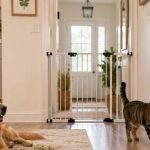
For dogs, my first concern is access and impulse. Dogs open doors with their noses, swallow things they should not, and get into trouble during transitions. Entryways matter more than most people think. A dog can slip out while someone is carrying groceries, answering a delivery, or taking out trash. A baby gate, leash hook by the door, and a house rule about not opening exterior doors without checking can prevent a lot of lost-pet incidents. Food access is another issue. Dogs will often eat whatever they can reach, including medication, chocolate, grapes, onion, gum with xylitol, and household waste. The AVMA and poison-control resources both emphasize that even small exposures can become serious depending on the substance and the dog’s size.
For cats, vertical space is both a blessing and a hazard. Cats climb, jump, squeeze, and knock items over. That means shelf stability matters, breakables need to be moved, and fragile plants should be screened carefully. Cats also chew string, ribbon, tinsel, yarn, rubber bands, and hair ties. I would keep those locked away, not merely “out of sight.” Hairball confusion can delay care when the real issue is a swallowed foreign object. If a cat is vomiting, hiding, refusing food, or straining in the litter box, treat it as a possible urgent problem. If you are uncertain whether symptoms are urgent, call your veterinarian or an emergency clinic.
For rabbits and guinea pigs, the danger is often enclosure quality and temperature. They are sensitive to heat, stress, and wire flooring that can injure feet. Chewable electrical cords are also a major risk. Small animals need secure barriers and supervised out-of-cage time, not vague supervision. Birds need the opposite kind of vigilance: fumes from nonstick cookware, candles, aerosols, and smoke can be dangerous, so kitchen and air-quality habits matter far more than many owners realize.
The honest limitation is simple: no checklist replaces species-specific advice. A home that is safe for a Labrador may still be wrong for a rabbit or a kitten. If you have an exotic pet or a pet with a medical condition, ask a veterinarian for a tailored safety plan. The AVMA and veterinary colleges are good starting points for current, practical guidance.
Outdoor Pet Safety: The Real Risks on Walks, Yards, and Trips
Outdoors, pet safety is mostly about control, visibility, and timing. If you can control those three things, you cut a large share of preventable problems.
I think the leash and harness conversation is where a lot of people make their first serious mistake. A collar alone is not the right tool for every dog, especially a puller, a nervous dog, or one that has slipped equipment before. A well-fitted harness can reduce neck strain and improve control, but the fit has to be right. If it rides up, twists, or allows escape, it has failed. For cats, a harness should be introduced slowly and never assumed to work because it “fits.” Escaping in a parking lot or on a trail can happen in seconds. If you are unsure about fit, consult a veterinarian or qualified trainer before relying on the gear.
Weather is another issue that gets underplayed. Heat is not just a summer problem; pavement, cars, and humid air can overwhelm a pet quickly. I avoid giving fake thresholds because conditions vary, but the practical rule is this: if the surface is too hot for your bare hand or foot, it is too hot for paws. In cold weather, short-haired, senior, young, or small pets may need extra protection, and salt or ice-melt products can irritate feet. Rinse paws after a walk if the route used de-icing chemicals. In warm-weather months, check local heat advisories before planning a long outing.
Water safety deserves more attention than it usually gets. Pools, ponds, lakes, and even deep drainage areas can become hazards. Not every dog is a natural swimmer, and a tired or frightened animal can panic. If your pet is near water, supervision matters even if they look confident. I also keep in mind that some water contains algae, chemicals, or hidden debris. If a pet drinks from standing water and then seems ill, contact a veterinarian. The CDC and local public-health agencies also warn that algae blooms can be dangerous for pets in some regions.
Wildlife and traffic are obvious risks, but they are different in practice. Traffic is about leash control and predictable routes. Wildlife is about keeping distance and not letting a pet chase something that can bite, kick, or carry disease. In many places, ticks, fleas, and mosquitoes are part of the outdoor risk picture too, so parasite prevention should be part of your safety plan, not an afterthought. The CDC recommends year-round tick awareness in many areas, and your veterinarian can help tailor parasite prevention to your region.
For broader outdoor safety guidance, the American Veterinary Medical Association and your local veterinary college are good places to check current recommendations. If your pet has a heart condition, mobility issue, or anxiety problem, ask your veterinarian how much outdoor exertion is safe. One bad estimate can snowball fast.
The Honest Side-by-Side

The main trade-off in pet safety is convenience versus control. You can make a home easy to live in, or you can make it harder for a pet to make a mistake. The best setups do both reasonably well, but no setup removes all risk.
| Criteria | Home Safety Controls | Outdoor Safety Controls | Winner for [condition] |
|---|---|---|---|
| Best at preventing toxin exposure | Strong if chemicals, meds, and food are secured | Weaker because exposure is less predictable | Home safety for pets with food-motivated chewing or scavenging |
| Best at preventing escape | Good with gates, screens, and door routines | Depends heavily on leash, harness, and supervision | Home safety for indoor-only cats and flight-risk dogs |
| Best at reducing impact of weather | Very good if indoor temperature is stable | Exposure varies with heat, cold, wind, and pavement | Home safety for seniors, puppies, kittens, and brachycephalic pets |
| Best at supporting exercise and enrichment | Limited unless you build it in | Strong for walks, sniffing, training, and play | Outdoor safety for active dogs and curious leashed pets |
| Best at controlling infection and parasite exposure | Lower overall exposure, though not zero | Higher exposure to ticks, fleas, wildlife, and dirty water | Home safety for immunocompromised or medically fragile pets |
| Best at preventing chewing-related injuries | Very good if cords, plants, and objects are managed | Less relevant, but debris and dropped items are still a concern | Home safety for puppies, kittens, and destructive chewers |
| Best at supervising the pet closely | Strong when routines are consistent | Weaker because distractions and distance increase | Home safety for pets that need constant behavior shaping |
| Best at improving quality of life | Good for rest and recovery | Better for exercise, sniffing, and mental stimulation | Outdoor safety for healthy, socialized pets |
| Best for fast emergency response | Usually better because supplies are nearby | Slower unless you carry a kit and know where help is | Home safety for pets with known medical issues |
The lesson from that table is not “stay indoors.” It is that home safety is stronger for prevention, while outdoor safety is stronger for enrichment. A complete plan uses home controls to reduce baseline risk and outdoor controls to manage the risks you choose to take.
The Real Difference Between Pet-Proofing the House and Managing the Outdoors
Pet-proofing the house is about elimination. Outdoor safety is about supervision and consequence control. That is the real difference, and it changes what counts as a good solution.
Inside the home, you can remove hazards once and benefit every day. Lock the cleaners, secure the cords, close the windows, move the toxic plants, and set the trash out of reach. That is why home safety rewards planning. It reduces the number of moments when you need to react.
Outside, you cannot remove every hazard. You can only reduce exposure and keep response time short. That means harness fit, leash handling, visual scanning, and good judgment about when to go out. I would think of outdoor safety as a set of decisions made in real time: Is it too hot? Is this trail full of unknown dogs? Is the pet too tired? Is the sidewalk full of broken glass or bait? Those are judgment calls, not product swaps. If the answer is unclear, consult a veterinarian or local expert before pushing ahead.
Home safety wins for pets that are young, untrained, medically fragile, or highly curious. Outdoor safety matters most for pets that need mental stimulation, exercise, or socialization to stay healthy. Both matter more when your pet has a history of escape, ingestion, reactivity, or anxiety.
A generic article often gets this wrong by pretending pet safety is a shopping list. It is not. The first step is risk mapping. If your dog bolts through doors, focus on entry routines and identification. If your cat chews string, focus on storage and room control. If your rabbit overheats quickly, focus on temperature and enclosure placement. The right fix depends on the failure mode.
This is where micro-habits beat big promises. Check doors before guests arrive. Keep medication in a closed cabinet, not a purse. Walk the yard before letting a dog out. Scan the sidewalk for dropped food, broken glass, and sharp objects. Safety becomes much easier when the same checks happen every time.
What to Keep in a Pet Emergency Kit, and Why It Matters
A pet emergency kit is not about panic. It is about buying time. If your pet gets into a toxin, cuts a paw, escapes, or overheats, the first few minutes matter a lot. You do not need a giant medical bag. You need a small, organized set of items you can reach without thinking.
I would keep the following together in one place:
- Your veterinarian’s phone number and the nearest after-hours clinic
- A leash, spare collar, or spare harness
- A carrier or crate if your pet uses one
- Gauze, nonstick pads, and vet wrap
- Saline or clean water for flushing debris from eyes or wounds
- A clean towel
- Disposable gloves
- A printed list of medications and allergies
- A recent photo of your pet in case they get lost
- A flashlight
- Copies of vaccination records if travel is possible
The most overlooked item is identification. Microchips help, but they do not replace a collar with current contact information. A collar should fit well enough not to slip off, but not so tightly that it irritates the neck. For outdoor pets or escape-prone animals, I like redundant identification: collar tag, microchip, and clear current records. If the collar tag is the only visible ID, update it as soon as the phone number or address changes.
Your kit should also reflect your home. If you live where ticks are common, a tick remover may be worth including. If your pet has a known medical condition, ask your veterinarian what else belongs in the kit. I would not improvise on medication or wound care. If the problem is serious, call a veterinary professional rather than guessing.
A kit is not a substitute for prevention. It is the backup plan when prevention fails.
The Specific Situations Where Outdoor Safety Wins
Outdoor safety wins when your pet needs a life, not just a room. That sounds obvious, but it matters because some pets do poorly if their only world is the house.
A healthy, socialized dog usually benefits from controlled outdoor time because it provides exercise, scent work, and behavior practice. Walks are not just toileting breaks. They are mental work. A dog that gets enough safe outdoor activity is often calmer at home and less likely to invent its own entertainment by chewing furniture or doorframes. The catch is that the walk has to be safe enough to justify the exposure. If the route is chaotic, too hot, or unsafe, the benefit drops fast.
Outdoor safety also wins for pets in transitional training phases. Puppies need structured exposure to the world. Shy dogs may need short, predictable outings. Cats that travel in a harness or carrier need gradual acclimation, not a forced adventure. The key is that outdoor time should be designed, not accidental.
I also see outdoor safety as the right choice when the house cannot realistically eliminate a hazard. Some homes have constant foot traffic, multiple exits, renovation work, or complex family schedules. In that case, controlled outdoor time can be safer than trying to contain every burst of activity indoors. It can also reduce stress for pets that become anxious in crowded homes.
The downside is plain: outdoor safety asks more of the owner every time. You have to monitor weather, equipment, surroundings, and the pet’s behavior. That is a real burden. If someone cannot commit to that level of attention, then outdoor access should stay limited to the safest possible setting.
Our Verdict: Which One to Choose and Why
Choose home safety if your pet is young, elderly, medically fragile, escape-prone, or lives in a house with