Last updated: August 11, 2026
Quick Answer: For pet emergency preparedness — complete guide, set aside 1 hour today to save 2 emergency vet numbers, pack 1 go-kit, and map 2 routes to care. If your pet is in distress now, call a veterinarian right away. This pet emergency preparedness — complete guide is designed to reduce delays when minutes matter.
A pet gasping at 2 a.m. changes the room fast. So does a cat stuck in the litter box. I’d want three things ready before either of those moments: the nearest emergency vet, a way to get there, and a kit I can grab in seconds. Pet emergency preparedness is not about panic-proofing life; it is about stripping out delay when minutes matter. Key takeaways: 1) know the nearest emergency clinic before you need it, 2) keep records and a carrier ready, 3) make a local plan for traffic, weather, and after-hours care, and 4) call a veterinary professional if you are unsure. The AVMA and ASPCA both stress rapid veterinary guidance for emergencies and poisoning concerns.
I’m writing this for the person who knows their animal best and wants a plan that actually works at 2 a.m., on a holiday, or in the middle of traffic. The aim is plain: figure out what to prepare, what to keep nearby, how to spot a real emergency, and what to do before you reach the hospital. According to the USDA APHIS and veterinary poison resources, having records, contact numbers, and a transport plan ready can save critical time.
Pet Emergency Preparedness Starts Before the Crisis
The biggest mistake I see in emergency planning is treating it like a shopping list. A bag, a leash, some gauze, done. That is not enough. Real preparedness has four parts:
- Know what counts as an emergency.
- Know where you are going.
- Have records and supplies ready.
- Know who can help if you are not home.
Should your pet have a chronic condition, be very young, be senior, or belong to a brachycephalic breed like a French bulldog or Persian cat, I would take preparedness even more seriously. Those animals can go downhill quickly. Likewise, if you live far from a 24-hour hospital, have long winter drive times, or deal with hurricane season, wildfire smoke, or flood risk, the stakes rise. Because of that, pet emergency preparedness should start before a crisis, not during one.
Routine care is one thing; emergencies are another beast entirely. A yearly exam can wait. A pet with trouble breathing cannot. A cat straining in the litter box may have a urinary blockage, which is urgent, especially in male cats. A dog who ate a known toxin may need treatment before symptoms begin, so I would call a veterinarian or poison expert immediately rather than waiting for signs. For poison exposure, you can also contact the ASPCA Animal Poison Control Center or Pet Poison Helpline if you have access to them; follow the guidance of a veterinarian for your pet’s specific situation. The ASPCA and Pet Poison Helpline both advise prompt professional help for suspected toxin exposure.
Know the Signs: What Counts as a Pet Emergency
This is the part I would not leave to guesswork. When people wait, they often wait because the signs look “not that bad.” Some emergencies do start quietly.
Treat these as urgent, and contact a veterinarian or emergency clinic right away if you see them:
- Trouble breathing: open-mouth breathing in a cat, blue or pale gums, gasping, severe panting that does not settle
- Collapse, fainting, or sudden weakness
- Active bleeding that does not stop with gentle pressure
- Seizures, especially if repeated or lasting more than a few minutes
- Bloated or hard abdomen, especially with unproductive retching
- Poison exposure: human medications, chocolate, xylitol, rodenticides, lilies for cats, grapes/raisins, antifreeze, cannabis, and many more
- Hit by car, fall from height, or other trauma
- Unable to urinate or repeated attempts with little or no output
- Repeated vomiting or diarrhea, especially with blood, lethargy, or dehydration
- Heatstroke signs: extreme panting, weakness, drooling, vomiting, collapse
- Eye injuries: squinting, pawing, cloudiness, obvious pain
- Distended belly, especially with signs of pain
- Sudden inability to walk, dragging limbs, or severe pain
Some problems are less dramatic but still serious. A dog who won’t eat for a day might be fine, or might be headed into trouble. A cat who hides more than usual might be stressed, or might be in pain. Use the whole picture: appetite, breathing, energy, bathroom habits, and behavior.
One honest limit: no article can replace a veterinarian’s judgment in a real emergency. Should your pet look wrong and you are debating whether it is “bad enough,” I would err on the side of calling. Triage exists for a reason. You are not being dramatic by asking. The AVMA advises owners to seek veterinary attention promptly when symptoms suggest an emergency.
Build a Pet Emergency Kit That You Can Actually Use
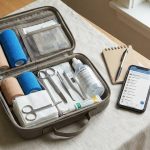
A useful kit is not a drawer full of random supplies. It is a set of items you can find without thinking. I would keep one kit at home and one smaller version in the car if your driving conditions allow it.
What to include
- Carrier or crate sized for your pet
- Sturdy leash and backup leash
- Muzzle if your dog might bite when frightened; do not use on a pet struggling to breathe or vomiting
- Towels or blankets
- Absorbent pads
- Gauze rolls and non-stick pads
- Medical tape
- Digital thermometer labeled for pet use
- Saline rinse for eyes or wounds if approved by your vet
- Nitrile gloves
- Scissors with blunt tips
- Tick remover
- Flashlight or headlamp
- Water bowl and bottled water
- Printed medical records
- Current medication list
- Copy of rabies certificate if required by your area
- Pet first-aid guide
- Photo of your pet
- Recent weight and microchip number
I would also keep a note in the kit with:
– your regular vet’s name and phone number
– the nearest emergency vet’s address and phone number
– poison help numbers you trust
– after-hours instructions from your regular clinic
– the name and number of a person who can make decisions if you cannot
What not to include
Do not put human painkillers in the kit for “just in case.” Many are dangerous to pets. Do not pack old medications you are unsure about. Do not include anything you do not know how to use. A complicated kit is often a useless one.
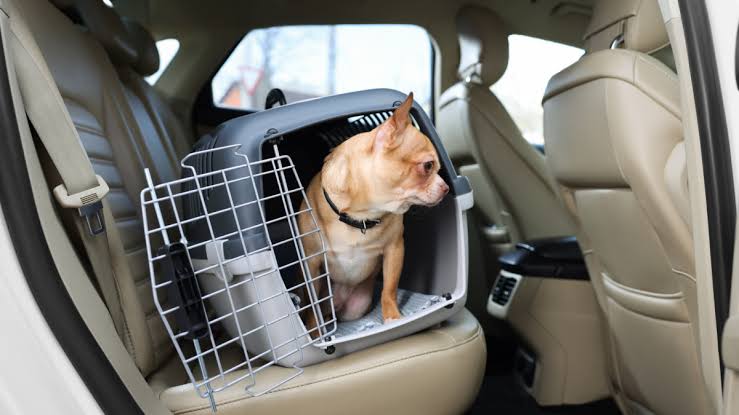
Should you have a cat, I would think hard about the carrier. A flimsy carrier that opens awkwardly turns a bad day into a worse one. For dogs, a harness that fits correctly is worth more than a decorative leash. If your pet is large, practice moving them on a blanket as a makeshift stretcher before you need it. A few minutes of practice can make a real difference when you are moving quickly.
What a Pet Emergency Plan Needs by Home, Car, and Neighborhood

A strong plan is local and practical. A map in Phoenix is not the same as one in Seattle. Should you be in rural Texas or western Pennsylvania, the drive time to emergency care may be the real problem. In dense cities like Chicago, Boston, or Los Angeles, traffic, parking, and building access can slow you down. Your plan should reflect that reality.
At home
Keep the kit near the exit you use most. Should you live in a house with stairs, think about how you will move a hurt dog or a cat carrier without dropping either one. Should you live in an apartment, keep the carrier where it is easy to reach, not buried in a closet behind holiday boxes.
For cat owners in apartments or high-rises, I would keep a carrier accessible all year, not only during travel. Cats sense stress quickly; the extra minutes spent hunting for supplies can make transport harder. This is especially helpful if you need to leave in under 10 minutes.
In the car
If you commute with your pet or travel to parks, trailheads, or dog daycare, keep a backup leash, towel, bottled water, and a paper copy of the emergency vet address in the car. Phone batteries die. GPS fails. Paper does not. In practical terms, one printed address can save several minutes when a route is changing.
For cold climates like upstate New York, Minnesota, or the mountain towns of Colorado, think about how you will keep your pet warm without overheating them. For hot places like Southern California, Arizona, Nevada, or South Texas, the car is the danger. A parked vehicle becomes lethal very fast. I would never rely on “just a minute.” The CDC and veterinary welfare groups repeatedly warn that interior car temperatures can become dangerous within minutes.
In your neighborhood
If you know the closest emergency clinic, the next closest clinic, and an after-hours urgent care option, you have already cut decision time. Around Atlanta, Dallas, Charlotte, or the Twin Cities, the fastest route can change after rush hour, so it helps to test both a main route and a backup route. For New Jersey, Northern Virginia, or the San Francisco Bay Area, tolls, bridge traffic, and freeway congestion can matter more than miles.
If you live with a roommate, a partner, or family members, make sure at least two adults know the plan. Emergencies do not wait until the person who “handles the pets” gets home. Shared access matters when one adult is delayed.
How to Choose an Emergency Vet Before You Need One
This is one of the most overlooked parts of pet emergency preparedness. People often know their regular veterinarian and nothing else. That is risky.
I would choose the nearest emergency hospital the same way I would choose a good fire exit: by distance, accessibility, and reliability, not by marketing.
What to look for
- 24-hour or true after-hours coverage
- Clear triage instructions
- Ability to handle critical care
- X-rays, ultrasound, oxygen, and surgery availability
- Easy driving access and parking
- A posted list of services or at least a clear phone menu
Ask your regular veterinarian which emergency hospitals they trust. Local referral matters because primary vets know which facilities communicate well, which ones are overwhelmed on weekends, and which ones handle specific cases better. That local knowledge is often more useful than an online rating.
Questions I would ask before an emergency
- Do you accept walk-ins?
- Do you want us to call first?
- What information should I have ready?
- Do you offer payment plans, or do you require payment at intake?
- How do you handle transfer cases from regular clinics?
- Is there a separate urgent care option for non-life-threatening problems?
If you live in a region with only one or two emergency hospitals, I would save both in your phone. For places like rural counties, the nearest emergency center may be across county lines or in the next metro area. That matters when roads are icy, under construction, or flooded.
A local-service reality most generic articles miss
In many parts of the U.S., especially suburbs and exurbs, the “nearest” hospital is not always the fastest at 10 p.m. because of traffic patterns, toll roads, bridge closures, or seasonal weather. Should you be in a place like Houston during heavy rain, near the Jersey Shore during summer traffic, or in mountain areas with snow, I would map the route ahead of time and keep a second route in mind. That way, you are choosing based on real drive time, not just mileage.
Pet Emergency Preparedness Costs: What You Might Spend Locally
Costs vary by city, clinic, and the severity of the problem, so I do not trust blanket price promises. What I can say is that local emergency care usually costs more than routine care because of staffing, diagnostics, and after-hours availability. If you are building pet emergency preparedness, the financial side belongs in the plan too.
Below is a practical way to think about likely expenses in a major metro area, a suburban corridor, or a smaller market. These are general ranges, not quotes, and you should consult the clinic for current pricing.
| Item | Typical local range | Notes |
|---|---|---|
| Emergency exam / triage | Low to moderate fee | Often charged just for being seen after hours |
| Basic diagnostics | Moderate to higher | Bloodwork, urinalysis, X-rays, and similar tests can add up quickly |
| Poison consultation + treatment | Variable | Depends on toxin, timing, and whether hospitalization is needed |
| IV fluids and monitoring | Moderate to higher | Common for dehydration, toxins, kidney issues, or recovery |
| Hospitalization | Higher | Cost rises with oxygen, constant monitoring, or surgery |
| Surgery or advanced intervention | Highest range | Trauma, GDV, obstruction, and certain foreign bodies can be expensive |
For New York City, Los Angeles, the Bay Area, Seattle, Boston, or Washington, D.C., I would expect the local end of the range to lean higher than in smaller markets. Across rural parts of the Midwest, the exam might be lower, but distance and travel time can become the hidden cost. Gas, tolls, time off work, and after-hours availability all matter.
One honest trade-off: emergency preparedness can reveal that a pet’s treatment may involve serious financial decisions. That is not a failure. It is reality. If you have pet insurance, I would keep the policy details with your records and understand your deductible and reimbursement process before an emergency happens. If you do not have insurance, ask your regular vet about how your local hospitals handle estimates, deposits, and payment options. The AAHA and several large hospital systems note that estimates can change after diagnostics, so asking about that upfront is sensible.
What to Put in Your Pet’s Records Folder
A folder is boring until it saves time. I would keep paper copies and digital photos of the following:
- vaccine records
- current medications and dosages
- medical conditions
- allergies or previous reactions
- recent lab results if your vet will provide them
- microchip number and registration details
- spay/neuter status
- your vet’s contact information
- emergency contact information for a backup decision-maker
- proof of ownership if relevant for travel or disaster evacuation
- a recent photo of your pet
If your pet has a history of heart disease, diabetes, seizures, allergies, urinary issues, or breathing problems, keep a one-page summary at the front. In an emergency, a quick summary is easier to use than a stack of old paperwork.
For pets with a specialist, I would add the specialist’s number too. A generic record is helpful. A concise record with the right details is much better. Keep it updated after every significant visit so the folder stays useful.
Special Planning for Cats, Small Dogs, Seniors, and Pets With Chronic Conditions
Not every pet emergency looks the same. A one-size-fits-all plan misses the animals most likely to need one.
Cats
Cats often hide pain, and that makes them tricky. I would pay close attention to litter box changes, breathing effort, hiding, and appetite. Keep the carrier out where the cat sees it sometimes, so it does not become a panic object only used for bad experiences. For many cats, a familiar carrier reduces handling time on the day you need it.
Small dogs
Small dogs can get into toxins, fall from furniture, and struggle with temperature extremes. They are easy to carry, which helps, but they can also crash fast if they are hypoglycemic, injured, or overheated. A 5-pound dog and a 70-pound dog need the same urgency, even if the transport plan differs.
Senior pets
Older animals may have arthritis, heart disease, or organ changes that make emergencies harder to tolerate. I would keep a list of current meds and recent vet notes nearby. If your senior pet has mobility issues, think about ramps, towels for lifting, and where you would stage them for transport. Should they need help getting into a car, practice that lift before an emergency starts.
Chronic conditions
Should your pet have diabetes, seizures, Addison’s disease, kidney disease, heart disease, or cancer, your emergency plan should include disease-specific instructions from your veterinarian. Generic advice is not enough here. Ask what to do if a dose is missed, what symptoms mean “go now,” and whether your clinic wants you to bring medications with you.
This is also where honesty matters most: should you have a medically complex pet, your emergency plan should be reviewed with a vet. I can outline the structure, but your animal’s condition changes the details. A short call now can prevent confusion later.
Disaster Planning: Evacuation, Power Outages, and Shelter Rules
A pet emergency is not only a medical event. It can also be a wildfire, hurricane, tornado, ice storm, flood, or extended outage. Should you live in California, Oregon, Washington, Idaho, or other wildfire-prone areas, I would include a carrier, leash, extra water, and a copy of records in your go-bag. For Florida, the Gulf Coast, or the Carolinas, I would plan for evacuation before storm season hits full stride. For tornado country, know where pets can go if a shelter does not accept animals.
What to prepare
- carrier or crate
- harness and leash
- food for several days if storage is practical
- water
- medications
- collapsible bowl
- litter and litter box supplies for cats
- blankets or bedding
- records and photos
- waste bags
- identification tags
What people miss
Some shelters and hotels have pet restrictions. Some require proof of vaccination. Some do not accept certain species or sizes. If you live in an area with regular hurricane evacuations or wildfire alerts, I would learn the local animal shelter policy before the emergency notice comes. Local planning is easier when you know the rules ahead of time.
If you have a bird, reptile, rabbit, or pocket pet, the plan changes again. Heat, ventilation, and transport stress are different for those animals. I would not rely on a dog-and-cat checklist alone.
Red Flags When You Call or Get a Quote
When you are calling emergency clinics, I would listen for clarity. Good communication matters under stress.
These are the red flags that would make me pause:
- no triage guidance at all
- vague answers about whether they can handle the case
- refusal to tell you what to bring
- staff who cannot explain whether you should come immediately
- pressure to commit without discussing risks or next steps
- no clear way to reach them after hours
I would also be cautious if a quote seems