Last updated: November 05, 2026
Quick answer: how to install a dog seat belt clip correctly usually takes 5 steps, and the dog should stay on the back seat with the tether short enough to let it sit or lie down. A dog seat belt clip is part of a restraint system, so the harness and anchor matter too. For safety guidance on pet travel, see the American Kennel Club, Center for Pet Safety, and the NHTSA.
Key Takeaways
- The right setup uses a clip, a fitted harness, and a back seat anchor point.
- The install should feel secure before driving.
- Most clips work best on a rear harness ring.
- The strap should limit roaming but still allow sitting or lying down.
What you need before you clip anything in
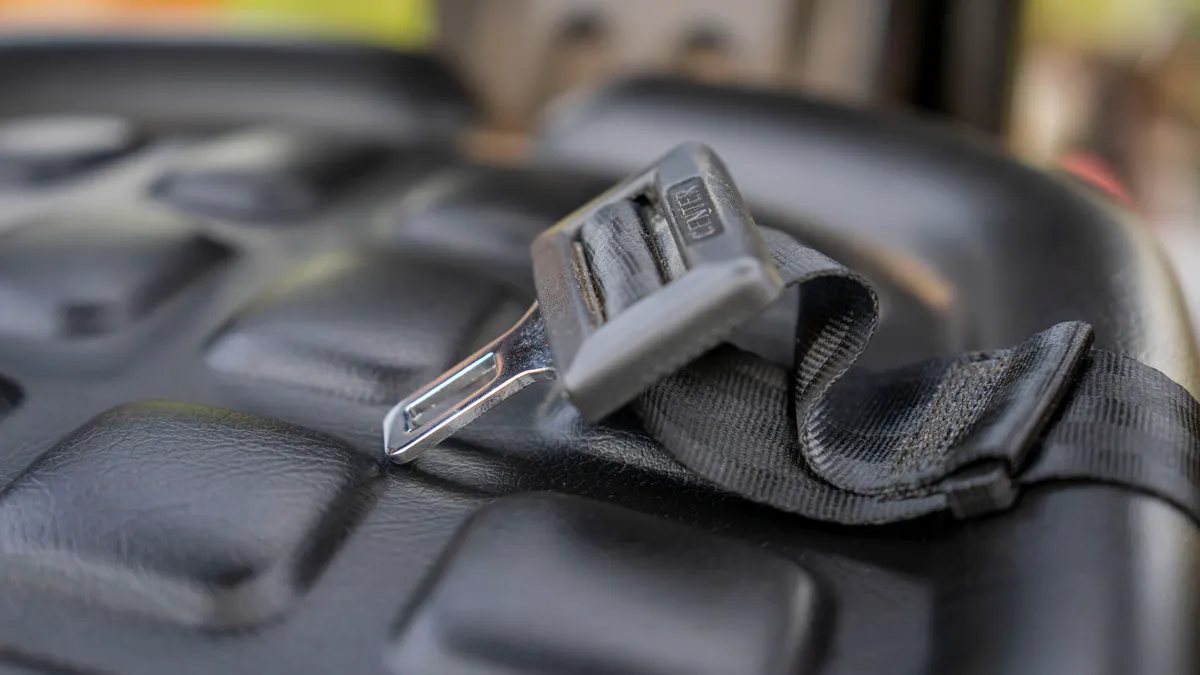
How to install a dog seat belt clip correctly starts with the right parts: a dog seat belt clip, a properly fitted dog harness, and a back seat anchor point in the car. If the strap is sold as a universal tether, check whether the metal tongue is meant for the seat belt buckle or whether it clips to a latch-style anchor; those are not the same thing.
The harness is the key piece. A clip that attaches to a collar puts pressure on the neck in a sudden stop, so the setup should connect to a harness with a dedicated attachment point, usually on the back. A step-in harness or vest-style harness with a strong rear D-ring is the safer match for most dogs.
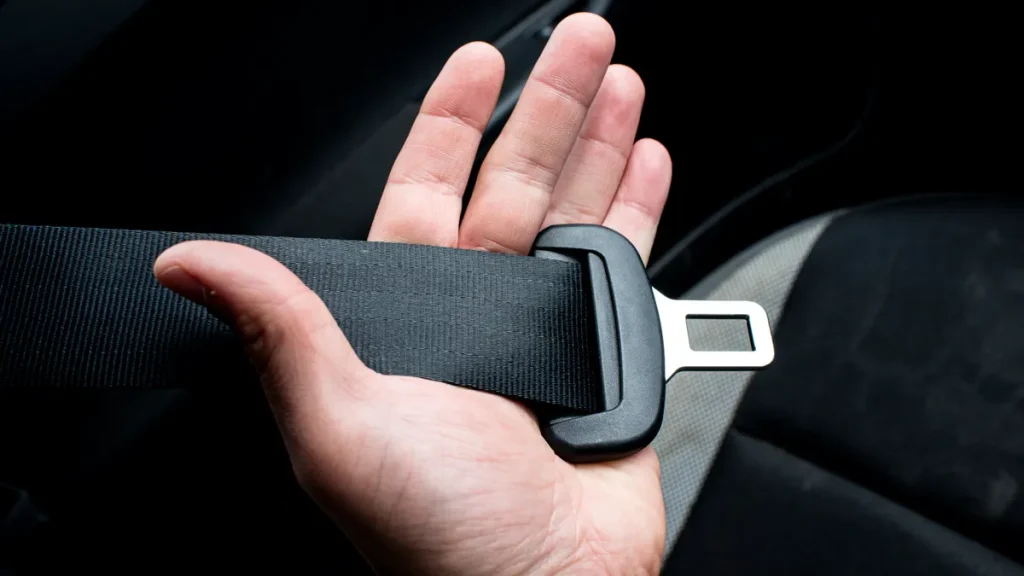
Look at the strap hardware before you begin. Many seat belt clips use a short strap with a loop, carabiner-style hook, or latch connector on one end and a snap on the other. Metal hardware is common, but size and shape vary. If the clip looks too wide to slide into the buckle cleanly, it probably is the wrong fit for that seat belt buckle.
How do you install a dog seat belt clip correctly?
You install a dog seat belt clip by anchoring it to the car, fastening the harness connection, and adjusting the strap so the dog can stay in the back seat without roaming. The install should feel secure before the car moves at all.
- Park the car, open the back door, and clear the seat area of loose items. You want enough space to see the seat belt buckle, the car anchor point, and the harness ring. When this is right, you can reach every connection without pulling the dog around.
- Put the harness on the dog and fasten it snugly. You should be able to slide two fingers under the straps, but the harness should not twist when the dog turns. A harness that shifts side to side will let the clip pull unevenly.
- Connect the clip to the car’s seat belt buckle or the approved anchor point, depending on the product design. If it is a buckle-tab style clip, push the tongue into the seat belt buckle until it clicks. If it is a latch or loop design, attach it to the designated car anchor point. The connection should sit flat and not wobble loose.
- Clip the other end to the harness attachment point on the dog’s back. A proper connection makes a clean line from the car to the harness, not from the car to the collar or around the dog’s neck. The snap should close fully and stay closed when you tug once by hand.
- Adjust the strap length so the dog can sit, stand, and lie down, but cannot reach the front seat or climb into the driver’s space. A good test is whether the dog can turn around without tangling the strap. If the dog can place its front paws on the center console, shorten the tether.
- Shut the door, start the car while still parked, and watch how the tether moves when the dog shifts position. The clip should stay anchored, the harness should stay centered, and the dog should not slide toward the floor or seat edge. If anything slips, stop and refit before driving.
That sequence matters because a clip attached too high, too low, or too loosely can let the dog move into a dangerous position even when it looks “buckled in.” The goal is not to pin the dog in place. The goal is to limit motion while keeping the harness level and the strap out of the way of the legs.
Which harness connection works with a dog seat belt clip?
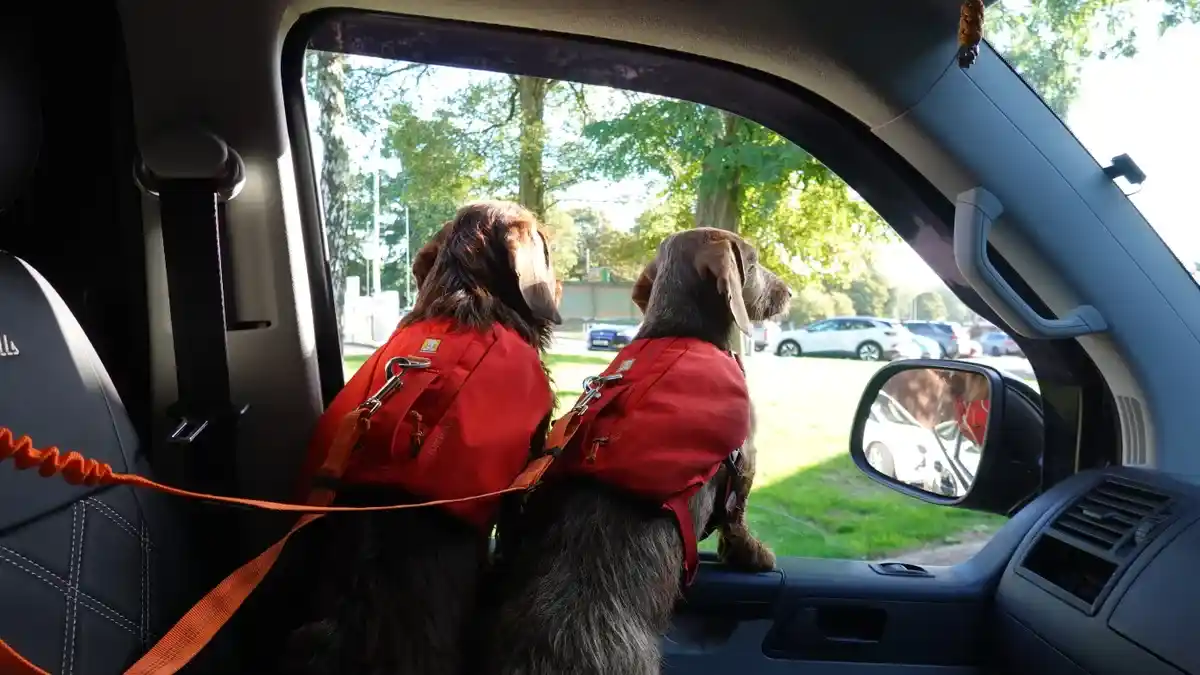
A rear harness ring is the right connection point for most dog seat belt clips, because it keeps the tether aligned with the dog’s body. If the harness has only a front ring or a dual-clip design, use the manufacturer’s intended rear attachment for car travel.
A common mistake is clipping to a decorative loop, a handle stitched for lifting, or a front-clip training ring. Those points are not always built to take a sudden pull from a moving car. The load should go to a hardware point that is clearly part of the restraint design.
Fit matters here more than brand names. A harness that sits crooked by even 2 or 3 inches can let the tether twist sideways, and that twist can make the dog uncomfortable enough to chew or paw at the strap. Tighten the harness first, then attach the clip, then check the line from the seat belt buckle to the dog’s back.
This is also where the limitation of a clip becomes clear. A dog seat belt clip can help restrain a dog that already wears a proper harness, but it cannot turn a flimsy harness into a safe restraint. If the harness stretches, rides up into the throat, or slides off the shoulders, the clip is the wrong tool for that setup.
If you are comparing restraint styles for the broader pet safety gear setup, this is the point where the harness choice matters more than the tether itself. See also the dog harness guide and the car safety gear guide.
How tight should the strap be?
The strap should be short enough to prevent climbing and long enough to let the dog sit or lie down naturally. In practical terms, that usually means the dog can move within one seat’s space, but not reach the dashboard, front seat, or another passenger.
A simple check is to seat the dog in the back seat and see whether the tether lets the dog stand upright without the strap going taut. Then see whether the dog can lie down with the body resting flat, not angled into the buckle or door. If the strap drags on the seat or floor, it is too long.
Do not leave slack just because the dog seems calmer that way. Extra length becomes extra momentum in a sudden stop, and it also gives a curious dog room to wrap the strap around a leg, the seat base, or the headrest post. Shorter is usually cleaner, so long as the dog can still settle.
For small dogs, the risk is often too much freedom; for bigger dogs, the risk is too much tension. A large dog that hits the end of the tether every time it turns can put repeated strain on the harness and clip. If you hear the hardware snapping against the buckle or anchor point, shorten the strap one notch or move the attachment to a better seat position.
Back seat use: where the clip belongs in the car
The back seat is the right place for a dog seat belt clip in most cars, because it keeps the dog away from the driver and the front-seat airbag area. The tether should be installed where the dog can remain behind the front seats, not beside them.
Place the dog on the seat, not on the floorboard, unless the restraint is designed for a floor-level anchor. A seat belt clip works best when the dog can rest on the seat cushion and the strap can run without catching under the seat rails. If the tether dips under the seat edge, it can snag when the dog changes position.
Middle seats are not automatically better than window seats. The right spot depends on the anchor point, the seat belt buckle, and whether the strap can run straight without crossing another belt. A simple setup in one side back seat is often safer than a cramped middle installation that twists the tether across the seat.
Keep the rear window area clear of loose leashes, bags, and water bowls. A dog that leans toward the window will follow anything interesting, and a dangling strap is one more thing to paw at. The back seat should be a clean zone: one harness, one tether, one anchor point.
Common mistakes that make the clip unsafe
The biggest mistake is using the clip without a harness. That costs the dog neck safety, because a collar concentrates force in one place during braking or a crash. The fix is plain: connect the clip to a fitted harness, not a collar.
A second mistake is clipping to the wrong hardware on the harness. A handle, decorative loop, or front training ring may not be meant for car restraint. That can lead to failure at the exact moment the tether needs to hold. Use the rear attachment point unless the harness maker says otherwise.
A third mistake is choosing a strap length that lets the dog roam. That costs control. A long tether may look comfortable, but it can let the dog reach the front seat, slip off the cushion, or tangle itself before you even leave the driveway. Shorten the strap until the dog can move only within its own seat area.
A fourth mistake is leaving the clip in the seat belt buckle while humans also need that seat belt. That creates confusion and can turn a quick passenger change into a messy reset. If the dog rides there often, keep the setup dedicated to the dog’s position so the hardware is not constantly being swapped around.
A fifth mistake is skipping the tug test. A fast hand check catches a half-seated buckle tab, an opened snap hook, or a twisted strap. If a one-handed pull makes the connection shift, the setup is not ready.
Safety checks before every drive
A good safety check takes less than a minute and catches the failures that matter. Check the harness fit, the clip lock, the anchor point, and the dog’s position before you start the car.
First, touch the harness and confirm that the straps are flat and snug. If the harness has slid forward toward the throat or twisted under one arm, refit it. Next, check that the clip is fully engaged in the seat belt buckle or anchor point. The connection should not lift out with a gentle pull.
Then look at the dog’s body position. The dog should be able to sit or lie down on the back seat without the tether crossing the face or snagging a leg. If the dog is standing on the seat edge or bracing against the front seat, the setup is too loose or in the wrong place.
For the first few drives, watch whether the dog chews, paws, or twists at the strap. That usually means the strap is too long, the harness is uncomfortable, or the dog needs more time to get used to the restraint. Adjust one thing at a time so you can tell what fixed the problem.
For a deeper pet safety gear setup, the hub page can cover the broader system; this page is the part that gets the dog seat belt clip fitted correctly.
When a dog seat belt clip is not enough
A dog seat belt clip is not enough by itself when the dog is not wearing a proper harness or when the car setup does not give a safe back seat anchor point. In those cases, the tether can keep the dog connected without truly controlling the body.
That limitation matters most with dogs that lunge, spin, or slip out of gear easily. If the harness is loose, the clip can become just another piece of metal hanging off the dog. A secure restraint depends on the whole chain: harness, clip, and anchor.
It also matters for dogs that need a different travel setup entirely. Very small dogs, very large dogs, and dogs that panic in the car may need a different restraint style or a veterinary behavior plan. If a dog keeps fighting the harness, consult a qualified trainer or veterinarian before forcing the setup.
The honest rule is simple: use the clip as one part of a restraint system, not as the system itself. If the hardware is correct but the dog can still reach the driver, climb off the seat, or slip free, the installation is wrong for that dog.
Can a dog seat belt clip be used with any harness?
No, a dog seat belt clip should not be used with any harness. The harness needs a proper rear attachment point and a fit that stays stable when the dog moves. A fashion harness, a loose walking harness, or a front-clip training harness may not hold the tether correctly. Check the harness instructions and, if needed, use a harness designed for car restraint.
Where should a dog ride in the car?
A dog should ride in the back seat in most cars. That keeps the dog away from the front airbags, the driver, and the steering area, and it gives the seat belt clip a better chance of working as intended. The tether should keep the dog on the back seat itself, not in the front footwell or leaning over the console.
How tight should the clip strap be?
The clip strap should be short enough to stop the dog from reaching the front seat, but long enough for the dog to sit and lie down comfortably. A good setup leaves the dog room to shift position without letting the tether pull tight every time the dog turns. If the strap drags or tangles, shorten it.
Is a seat belt clip enough on its own?
No, a seat belt clip is not enough on its own. It needs a proper dog harness and a secure car attachment point to do its job. Used alone, the clip cannot spread force across the dog’s body the way a harness can. If the harness is missing or poorly fitted, the setup should not be used.
Drafted with AI; not yet reviewed by a person.