Last updated: November 06, 2026
Quick answer: use a tape measure first, then match the numbers to the size chart. In most cases, chest girth is the key number for a harness, while a pet car seat depends on both weight and internal space.
The right pet fit measurement for how to measure your pet for a car harness or seat starts with a tape measure, not a product page. If you want a car harness or pet car seat that actually fits a dog or cat, measure the animal first, then compare those numbers to the size chart before you buy.
Key takeaways before you measure
- A tape measure gives you the numbers that matter: neck, chest girth, and sometimes body length.
- For a harness, chest girth usually matters most; weight helps, but it does not tell the whole story.
- For a pet car seat, the seat’s internal space and the pet’s resting size matter more than one weight number on the box.
- A snug fit should allow two fingers under most straps without pinching.
- Adjustment points matter as much as the listed size, because two products marked “small” can fit very differently.
If the pet safety gear page is the place you start comparing products, this page is the step that keeps you from guessing. A size chart only helps after the measurements are in hand.
What you need before you start measuring
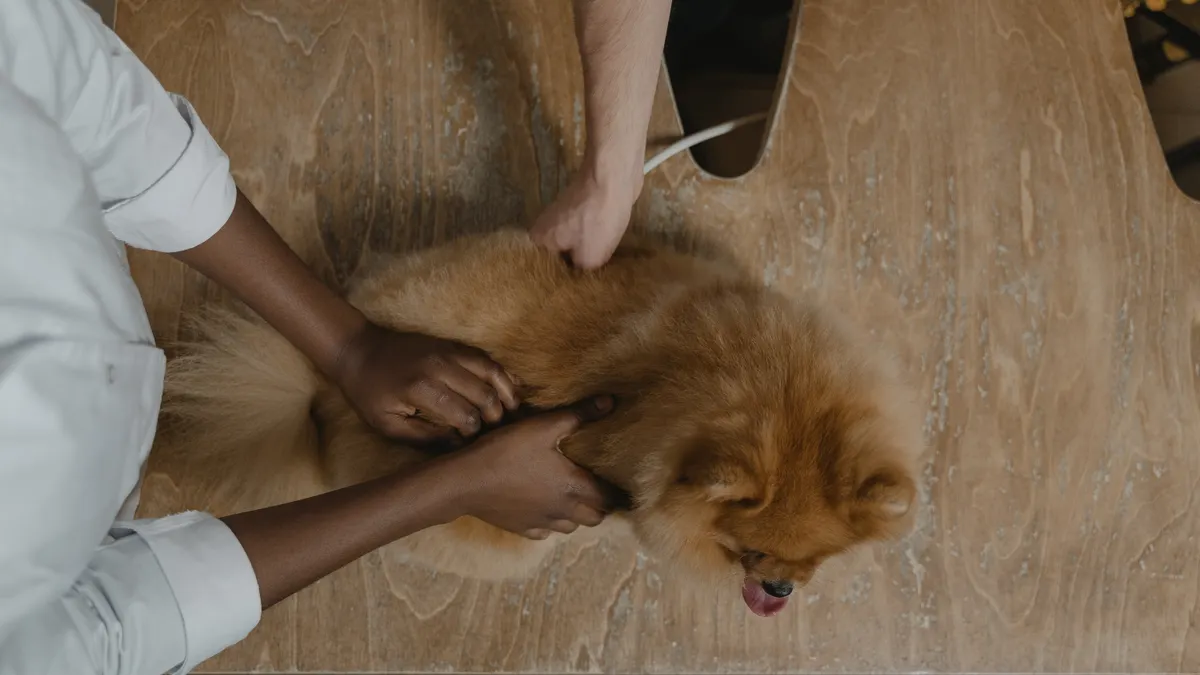
You need a soft tape measure, a calm pet, and the size chart for the harness or seat you are considering. A tailor’s tape is best; a rigid ruler is clumsy on curves. If you do not have a soft tape, use a piece of string and then measure the string against a flat ruler or wall tape.
Put the pet on a flat floor or table, depending on what keeps the animal still. For a dog, a standing position is easiest. For a cat, measure while the cat is relaxed, not crouched tight or stretched out after a jump. Keep treats nearby, and if your pet is anxious, pause and ask a veterinarian or trainer for handling advice. A 30-second calm session is better than a 10-minute wrestling match.
Before you measure, look at the product’s chart and note which numbers it asks for. Many pet harnesses use neck circumference and chest girth. Some dog car harnesses also ask for back length or body length. Pet car seats often list recommended pet weight and the seat’s internal dimensions, such as width and depth.
Do not skip the chart and “just get a medium.” That guess is how harnesses end up too loose in the chest or too tight at the neck. If the brand publishes measurements in inches, use inches. If it uses centimeters, stay with centimeters. Converting back and forth invites errors.
How to measure your pet for a car harness
Measure the neck, chest girth, and any listed back length in that order. Those three numbers are enough to match most dog harness size charts and many cat harness charts.
-
Measure the neck at the base, not high on the throat.
Place the tape around the thickest part of the neck where a collar would sit, usually just above the shoulders. Keep it snug but not tight; you should be able to slide one finger under the tape. The result should look like a natural collar line, not a choke point. -
Measure the chest girth at the widest part of the ribcage.
Wrap the tape around the chest behind the front legs, where the ribcage is broadest. This is usually the most important harness number. The tape should lie flat, and the pet should be standing. If you can fit two fingers under the tape, you have a usable measurement without squeezing the chest. -
Measure body length only if the chart asks for it.
Run the tape from the base of the neck to the base of the tail along the spine. Some brands call this “back length.” Do not include the tail. This number matters on full-coverage or vest-style harnesses, especially for small dogs and cats where the rear panel can sit too far back. -
Write each number down immediately.
Record the exact value and the unit, such as 16 inches or 41 cm. A chart that looks right in memory becomes wrong fast. If your pet lands between sizes, note both sizes so you can compare the adjustment range later. -
Check the harness’s adjustment range, not just the label.
Look for strap adjustability in inches or centimeters. A harness marked medium may fit a 20-inch chest on one brand and a 24-inch chest on another. The gear works when your pet’s numbers sit inside the middle of the adjustment range, not just at the edge.
A good harness fit usually leaves enough room for movement without twisting. If the chest measurement is right but the neck is borderline, choose the product with the better chest adjustment, not the prettier label.
How to measure your pet for a car seat
Measure the pet’s resting footprint and compare it to the seat’s inside dimensions. Weight matters here, but the space inside the seat matters just as much.
Start with the pet’s weight if the seat has a stated weight limit. Use a home scale if you do not already know it, and weigh the pet in the same condition each time, not right after a large meal or a wet bath. Then measure the length from nose to base of tail and the width across the body when the pet is sitting or curled naturally.
For a pet car seat, these measurements answer a different question than harness sizing: will the pet fit comfortably inside the basket, booster, or bucket-style seat without hanging over the sides? A cat that weighs little can still outgrow a shallow seat if the body is long or the pet likes to stretch. A small dog can exceed the seat’s usable space even when the weight number seems fine.
Check three things on the seat’s product page:
- the stated weight limit,
- the internal dimensions of the seat,
- and the attachment method for the tether or safety strap.
If the seat uses a tether, that tether should not force the pet into a twisted posture. You want the animal to be able to sit, turn, and lie down in a natural position. A seat that is technically “in range” but too shallow is not a fit.
This is where many buyers go wrong: they treat a car seat as a soft box and ignore the inside measurements. A 10-pound cat and a 10-pound dog can need very different seat shapes. The weight number helps, but it does not replace actual fit. If the shape is unclear, check a product guide or ask a veterinarian or pet safety professional before buying.
Which measurement matters most: neck, chest, or weight?
Chest girth matters most for a harness, and weight matters most only when the product is built around a seat limit. For harnesses, the chest controls comfort and security because that is where the load sits and where the straps must stay stable.
A neck measurement is still useful, especially on step-in or vest-style harnesses, because a tight neck opening can make the harness hard to put on or too restrictive. But the neck alone can mislead you. A dog with a narrow neck and a broad chest may fit one size in the neck and fail badly at the chest. The opposite happens with slim cats, where the neck may look fine but the body panel shifts too far.
Weight is a rough screening tool, not a complete fit check. Two pets with the same weight can have different chest girths and body shapes. That is why a size chart that lists only pounds or kilograms is less useful than one that lists actual strap measurements too.
If the chart gives both weight and girth, use girth first. If the numbers conflict, trust the measurement that is closest to the parts the gear will hold. For a harness, that is usually chest girth. For a car seat, that is the pet’s actual seated footprint and the seat’s interior size.
A simple rule helps: size charts guide the shortlist, but the tape measure makes the final call.
How to use the size chart without guessing
Use the chart like a filter, not a promise. Match your pet’s measurements to the product’s exact sizing range, then look at the adjustment room on both sides of that range.
If your pet measures 18 inches around the chest and the medium harness fits 17 to 21 inches, that is a better match than a small that tops out at 18 inches. The second option leaves no room for winter fur, coat bulk, or a little growth. If your pet is between sizes, choose the size that allows a little adjustment on either side of the number, not the one that only works at the limit.
Pay attention to how the chart is built. Some brands list neck and chest separately. Some list weight and chest together. Some add breed examples, which can be misleading because breed names do not account for body shape. A whippet and a terrier can both be “small,” but their chests tell a different story.
Also check whether the chart assumes a snug sport fit or a looser travel fit. Travel gear should not be loose enough to slide, but it also should not pinch. If the chart is vague, look for hardware placement: the adjustment buckles should land where they can be tightened without pressing into the front legs or throat.
This is the point where a lot of returns start. The listed size feels right in the abstract, but the strap range does not match the pet’s shape. The chart is useful only when you read the numbers, not the letters.
Fit checks after the harness or seat arrives
A correct fit lets the pet move, breathe, and stay contained without rubbing. Put the gear on, fasten it, and then check three things: strap space, movement, and buckle placement.
Use the two-finger test under the main straps. Two fingers should fit under the chest strap, and the gear should not slide so freely that it rotates around the body. If the harness has a belly strap, check that it does not sit behind the ribcage where it can shift into the stomach.
Watch how the pet walks, turns, and sits for 2 to 3 minutes. The harness should not choke the shoulders or lift when the pet moves forward. For a pet car seat, the animal should be able to sit down and settle without leaning over the edge or bunching into one corner. If the tether is adjustable, set it short enough to keep the pet in the seat area but long enough to avoid a rigid posture.
Look for redness after removal, especially under the front legs and across the chest. That can mean the fit is too tight or an edge is rubbing. A harness that looks okay for 30 seconds can still be wrong if the buckles sit at the armpit or the chest panel twists under pressure. If you are unsure, ask a veterinarian, trainer, or pet gear fitter to check the fit.
Do not rely on one quick look in the living room. Recheck the fit after the pet has moved around and after one short car ride. Straps can loosen once the pet settles.
Common measurement mistakes that lead to bad fit
Measuring at the wrong spot is the biggest mistake, and it can turn a good product into dead inventory. A neck measured too high on the throat makes the harness seem smaller than it is. A chest measured too far back includes the belly and gives a false large number. Both errors cost money because the replacement size often looks wrong too.
Another mistake is measuring a pet while it is crouched, stretched, or twisting away. That can shave or add inches that do not reflect the real standing shape. Use the pet’s normal posture, even if that means taking the measurement twice.
A third mistake is ignoring the adjustment range after buying a “close enough” size. If the harness only has 1 inch of usable adjustment left, it may not survive a coat, a growth spurt, or a different seating position. The cost is a gear piece that either rides loose or needs replacing sooner than expected.
Do not choose a car seat by weight alone if your pet is compact but long, or tiny but deep-chested. A seat can meet the weight limit and still be too shallow for the pet to turn. That mistake shows up as slipping over the side, bad posture, or refusal to settle.
If the numbers are borderline, choose the option with more measured room in the correct direction: chest room for a harness, interior room for a seat. That is the safer and usually cheaper choice than buying twice.
Why this measurement-first approach saves money
Measure first, then buy, because fit errors are more expensive than a few minutes with a tape measure. Returns, exchanges, and the wrong size all come from skipping the numbers and hoping the product will sort itself out. It rarely does.
This approach also narrows the field fast. If a harness chart says 16 to 20 inches in the chest and your dog measures 23 inches, you can move on immediately. If a cat weighs 8 pounds but needs a seat with at least 12 inches of usable width, you do not have to compare every booster on the market.
The real payoff is fit. A correctly sized harness stays centered and comfortable; a correctly sized seat gives the pet enough room to settle without overextending. That is the difference between “looks okay” and gear that actually works on the road.
What measurements matter most for a harness?
Chest girth matters most for a harness. It tells you how the harness will sit around the ribcage, where fit and stability matter most. Neck measurement helps with entry and comfort, but chest girth is usually the number that decides whether the harness will stay secure without rubbing.
Should I size up or down for a pet harness?
Size up if your pet falls between sizes and the smaller option leaves little adjustment room. Size down only if the larger size would be too loose even at the smallest setting. The better choice is the size that lets the harness sit in the middle of its adjustment range, not at the edge.
How do I tell if a harness is too loose?
A harness is too loose if it twists, slides toward the side, or lets the pet step out of it easily. If you can pull the straps far enough to create large gaps around the chest, it is not secure; if you are not sure, check with a veterinarian or qualified pet gear professional. You want enough room for two fingers under the straps, not enough slack for rotation.
Does weight or girth matter more?
Girth matters more for a harness, while weight matters more for some pet car seats. Weight helps screen the product, but girth tells you how the harness will actually fit the body. For a seat, the weight limit matters, but the pet still needs enough interior space to sit and lie down comfortably.
Drafted with AI; not yet reviewed by a person.