Last updated: November 04, 2026
Quick answer: Most pets do best when oral medication is prepared first, given in one quick motion, and followed by a reward within seconds.
In short: oral pet medication goes better when the pill or liquid is prepared first, the dose is hidden or delivered in one quick motion, and the pet gets a calm reward right after. This guide on How to Give a Pet Oral Medication Without a Struggle focuses on dogs and cats at home.
Key Takeaways
- Gather the dose, the right form, a towel or blanket, and a calm spot before you begin.
- Give the medication in one quick, calm motion.
- A pill pocket may work if your pet accepts treats and does not inspect them closely; check with a professional if unsure.
- Slow handling, poor positioning, the wrong hiding method, and missed swallowing checks cause most problems.
Who this is for, and what you need before you start
This guide is for a dog or cat owner who already has a prescribed oral medication and needs a workable way to give it at home. It covers tablets, capsules, and liquid medicine, including when a pill pocket or a small treat helps and when it does not. It assumes you already know the exact medication name and have the label, the dosing device, or the tablet strength in hand. If the prescription instructions are unclear, or the pet is hard to handle because of pain, fear, vomiting, severe mouth soreness, or a history of biting, speak to a qualified veterinarian or veterinary nurse about the safest method for that individual animal.
The basic goal is simple: get the full dose into the pet without turning every dose into a wrestling match. That matters because many pets learn fast. If the routine becomes two people chasing one cat around a kitchen, the next dose will usually be harder. A better setup uses a towel, a quiet room, the correct treat or syringe, and a plan that takes less than 1 minute once you start.
A few terms help here. A capsule is a two-piece shell that usually holds powder or granules. A liquid syringe is the oral syringe used to place medicine into the cheek pouch rather than spraying it at the back of the throat. A pill pocket is a soft, moldable treat made to hide a tablet or capsule, but a professional should confirm it suits the specific medication. These are tools, not guarantees. Some pets swallow them easily. Others eat the treat and spit the pill back out 5 seconds later.
For broader medication routines and chronic conditions, this page supports the hub on pet chronic care and condition management.
What should I have ready before I try to give the dose?
You should have the medication, the correct dosage form, a towel or blanket, a pill pocket or small treat if appropriate, and a calm place to work before you begin. That preparation helps reduce failed attempts and keeps the dose moving.
Put the label, tablet, capsule, or liquid syringe within arm’s reach. If the dose is a tablet, check whether it is scored, meaning it has a line meant for splitting; if it is not scored, do not assume it can be divided evenly. If it is a liquid, read the syringe markings before filling it. A 1 mL oral syringe is common for small doses, while larger liquids may use a 3 mL or 6 mL syringe. Use the exact device that came with the medication when possible.
Set out two or three small, high-value treats that your pet already likes. Keep them pea-sized for a cat or small dog, and only a little larger for a bigger dog. The point is speed, not feeding a meal. If you are using a pill pocket, shape it around the tablet or capsule so the medicine is fully enclosed and the surface looks like the rest of the treat, but check with a professional if you are unsure whether that form is appropriate.
Choose a place with traction under your feet and under the pet. A slick tile floor turns a short task into a scramble. A counter is often a poor choice unless the animal is already used to it and safe there. A towel on a table may help for a cat; a dog may do better on the floor beside a wall.
How do you give oral pet medication step by step?
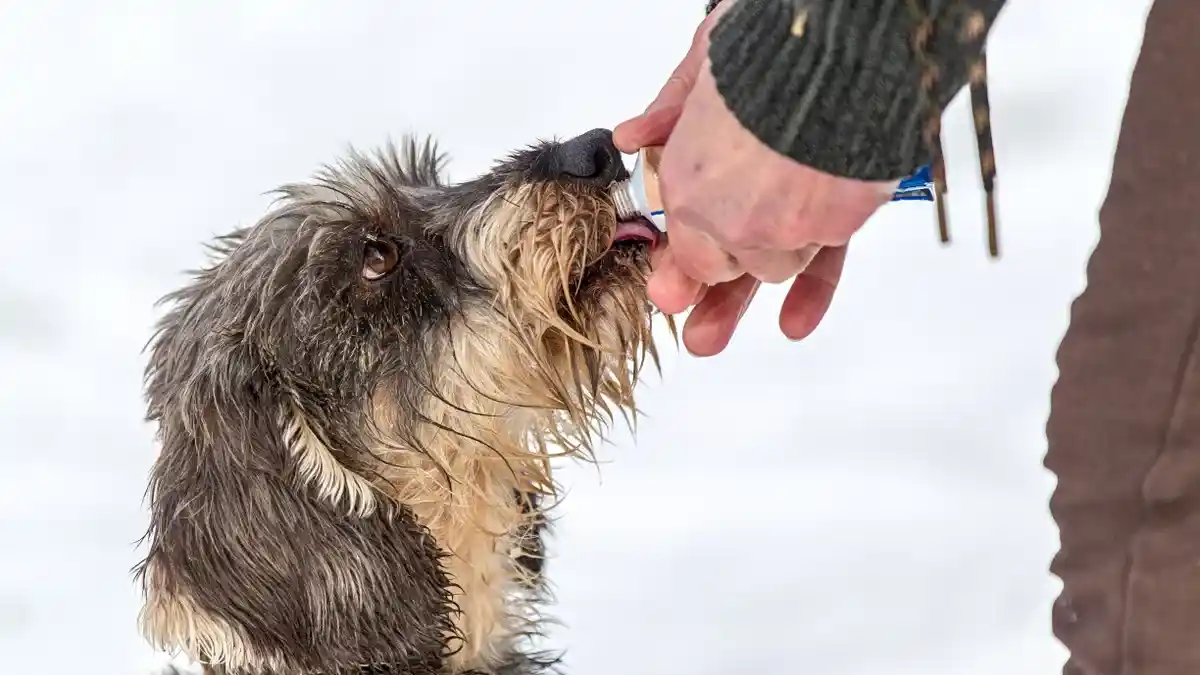
You give oral pet medication best by preparing the dose, positioning the pet, placing the medicine into the mouth or hiding it in food, and then rewarding the pet immediately after swallowing. The right motion is quick, calm, and complete.
- Confirm the exact dose and form on the label. Check the name, strength, route, and timing before touching the pet. Verify that you have a tablet, capsule, or liquid, not the wrong bottle or the wrong strength. If the label is unreadable or the dose seems different from what you expected, stop and call the prescriber; a wrong strength can turn a routine dose into a problem.
- Prepare one dose only. Remove only the tablet, capsule, or measured liquid for this single attempt. Verify that the pill pocket, treat, or syringe is ready. If you are measuring liquid, draw up the exact amount in the oral syringe at eye level and check for air bubbles if they would make the mark hard to see. A puddle in the syringe or on the table means you need to redraw it before you start.
- Place the pet in a stable position. Set the dog or cat on a non-slip surface or on a towel with support. Verify that the head can move, but the body is not sliding away. If the pet is twisting, backing up, or lifting one paw to flee, the position is too loose; reset before attempting the dose.
- Use the least stressful method first. Offer the tablet or capsule hidden inside a pill pocket or tiny treat if the medication can be given that way. Verify that the pet swallows the treat whole and does not chew until the medicine cracks. If you hear crunching or see the pill edge, the hiding method has failed and you should switch to a direct method or ask the vet whether this form can be hidden safely.
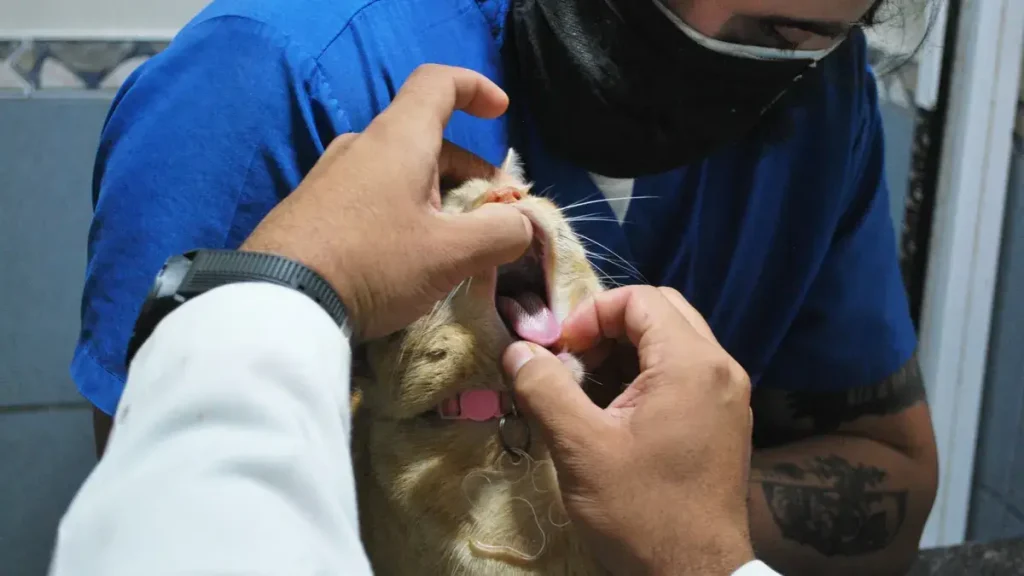
- For a direct pill, open the mouth briefly and place the medicine far enough back. Tilt the head slightly up only if the pet tolerates it, lift the upper jaw, and place the tablet or capsule on the back of the tongue, then close the mouth. Verify that the lips close and the pet swallows once or twice. If the pill lands on the tongue tip or bounces out, the placement was too shallow.
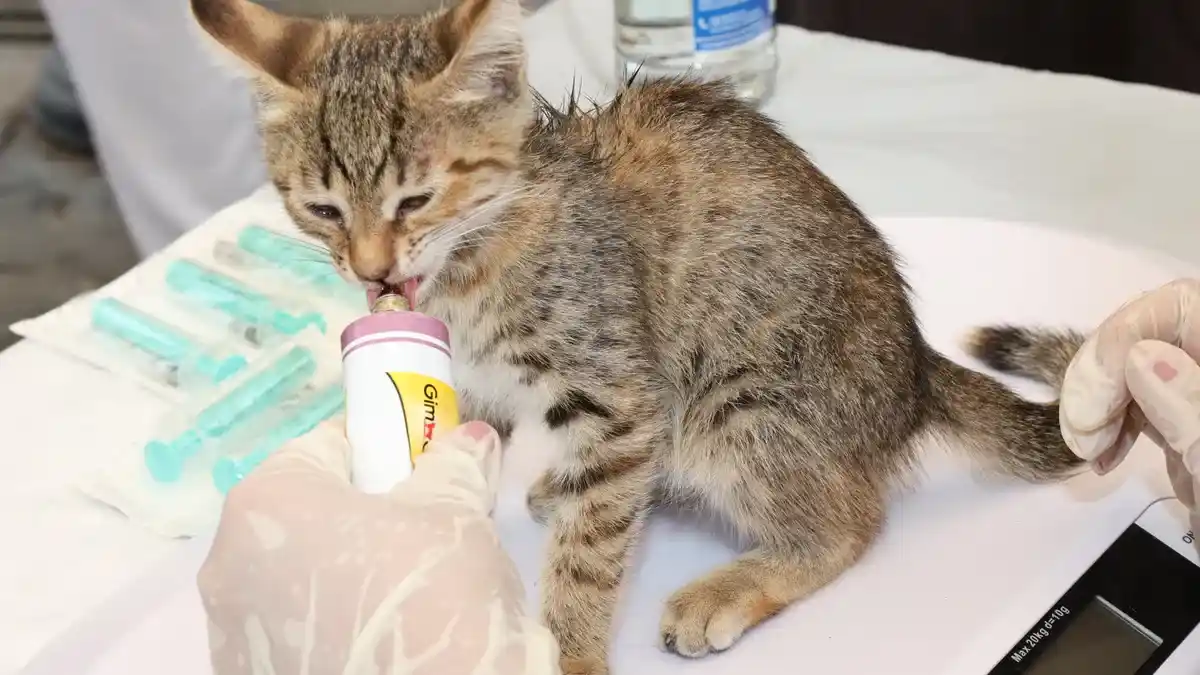
- For liquid medicine, aim into the cheek pouch, not the throat. Slide the syringe tip into the side of the mouth and deliver small amounts, pausing as needed so the pet can swallow. Verify that the liquid is disappearing from the syringe and that the pet is not coughing, choking, or letting it run out of the mouth. A sudden cough, head shake, or dripping liquid means the dose went too fast.
- Follow with a reward immediately. Give a treat, gentle praise, or a favorite bite within a few seconds after swallowing. Verify that the pet stays relaxed and comes back for the reward. If the pet bolts, the finish was too rough or too late, and the next attempt may be harder.
- Check that the medication was actually swallowed. Look for a tongue lick, a swallow, or an empty mouth, and inspect the floor and nearby fur if a pill may have dropped. Verify that nothing is tucked in the cheek, under the tongue, or spit onto the rug. A found pill after the fact means the dose did not go in and should be handled according to the prescription instructions or professional advice.
For tablets and capsules, speed matters more than theatrics. For liquids, steadiness matters more than volume. A 2 mL dose pushed in one burst is more likely to trigger spit-back than a slow, cheek-side delivery.
Can a pill pocket actually work?
A pill pocket can work well if the pet eats treats enthusiastically and does not inspect the food too closely. It is often the cleanest option for a tablet or capsule, especially for a dog that takes treats fast or a cat that accepts small soft bites.
The trick is to make the medicine disappear inside a normal-looking bite. Use a small amount of the pill pocket, not a giant lump. If you wrap a tablet in too much treat, the pet may chew longer, which increases the chance of finding the pill. A pea-sized piece for a cat or a small dog is often enough when the tablet is tiny. For larger tablets, two treats may work better than one oversized ball.
Give one plain treat first if your pet is suspicious. Then offer the pill pocket or stuffed treat. Follow with another plain treat right away so the mouth stays busy and the pet does not pause to check the middle bite. That “treat-trick-treat” pattern often works better than giving only the medicated bite. It also makes the medication less memorable.
There are trade-offs. A pill pocket is a poor choice for pets that spit out chewed bits, for capsules that break open easily, or for medications that should not be crushed, split, or exposed to moisture unless the label or prescriber says it is acceptable. Some pets also learn to swallow the treat and spit the medicine onto the floor a moment later. If that happens twice, the method is not reliable for that pet.
A plain, soft treat that you mold around the medicine can work too. The key is the same: small, fast, and followed by another reward.
What are the most common mistakes people make?
The most common mistakes are slow handling, poor positioning, the wrong hiding method, and failing to confirm swallowing. Each one makes the next dose harder.
-
Waiting too long with the pill in hand. The pet becomes alert before the dose is given. The alternative is to prepare the dose first, then bring the pet over and finish the task within about 30 seconds.
-
Crushing or opening a medication without checking first. Some forms are meant to stay intact, especially extended-release products and enteric-coated tablets. The consequence can be altered absorption or strong taste. The safer alternative is to ask a pharmacist or veterinarian before changing the form.
-
Pushing liquid too fast. This often causes coughing, drooling, or the medicine running out of the mouth. The better approach is to give small spurts into the cheek pouch and pause for swallowing.
-
Hiding a pill in a large meal. If the pet does not finish the food, the dose is lost. Use a small treat-sized amount first, not a full bowl unless the medication instructions specifically allow it.
-
Rewarding too late. If the treat comes a minute after the pill, the pet links the stress to the medicine, not the reward. Give the reward within seconds of swallowing.
-
Assuming success without checking. A pill can stick to the gum, collect in the cheek, or fall to the floor unseen. The correction is to watch for a swallow and do a quick mouth and floor check.
When should you stop and get qualified help?
You should stop and get qualified help when the method is no longer safe, when the pet cannot swallow normally, or when the medication form no longer matches the plan. Oral medication should not turn into a bite-risk or choking-risk situation.
Repeated coughing or choking during liquid dosing: This suggests the liquid may be entering the airway instead of the mouth — stop and contact a veterinarian before trying again.
Strong resistance, growling, or attempted biting: This means the handling risk is too high for a home struggle — ask a veterinary professional about a safer technique or an alternative form.
Vomiting, severe drooling, or a mouth that seems painful to open: These signs can make oral dosing unreliable and stressful — pause and get advice before the next dose.
The tablet or capsule was dropped and cannot be found: This means you cannot confirm the dose was given — follow the prescription instructions or ask a veterinary professional what to do next.
The label says not to crush, split, or open the medication: This usually means the form must stay intact — do not alter it without explicit guidance from the prescriber or pharmacist.
The pet has a disease or condition that changes swallowing, such as obvious trouble swallowing or severe oral pain: Oral dosing may be the wrong tool — ask for a different formulation or route.
In short, if the pet is unsafe to handle or the medication is not meant to be manipulated, a home workaround is the wrong answer.
How do you give liquid medicine to a cat?
You give liquid medicine to a cat by aiming the syringe into the cheek pouch, giving small amounts slowly, and letting the cat swallow between pushes. That method is usually less stressful than aiming straight at the throat.
Cats often resent a big bolus of liquid. A 1 mL or 3 mL oral syringe gives finer control than a kitchen spoon, which should not be used for measuring. Hold the cat securely but gently, with the body supported and the head in a neutral position. Insert the syringe tip just behind the canine tooth and aim across the tongue toward the side of the mouth. Then dispense a small amount, wait, and repeat.
A towel wrap can help for a cat that thrashes, but a tight wrap can make the cat panic. The goal is contained movement, not immobilization. Keep the process short. If the cat is swallowing but the medicine is spraying onto the cheek, the syringe angle may be wrong. If the cat coughs, the pushes are too fast. If the cat clamps the mouth and hides, the session is too long.
A flavored liquid may improve acceptance, but flavor does not solve every problem. Some cats still reject the taste. If the liquid is especially bitter, speak to the prescriber or pharmacy about whether a different formulation exists. A small amount of plain food as a chaser may help only if the label allows administration with food.
What works better for tablets, capsules, and stubborn pets?
Tablets, capsules, and stubborn pets each need a slightly different plan. The best method is the one the pet will accept consistently three or more times in a row.
Tablets are often easiest to hide in a soft treat if they are small enough and the pet eats quickly. A tablet that tastes bitter on the tongue may need a direct placement farther back in the mouth. Capsules are smoother and often easier to swallow than a rough tablet, but they can still be spat out if the pet chews the treat too long. For either form, a two-treat method can help: offer a plain treat, then the medicated treat, then another plain treat immediately after. The pet focuses on the sequence rather than the middle bite.
For stubborn pets, shorten the ritual. Fewer words, fewer steps, less handling. Keep the route from counter to mouth as direct as possible. Use the same spot, the same towel, and the same reward every time.
Drafted with AI; not yet reviewed by a person.