Last updated: November 04, 2026
Quick answer: for a pet road trip checklist for long drives, pack the restraint setup, food, water, cleanup gear, and one overnight kit per pet.
Key Takeaways
- A complete pet road trip checklist for long drives covers feeding, restraint, cleanup, and settling gear for the whole trip.
- A dog kit usually needs restraint gear, food and water, cleanup items, a leash, and one comfort item.
- A cat kit should focus on the carrier, litter setup, and keeping routine as steady as possible.
- Pack food by feeding time, not by loose container, and plan water around each stop.
A five-minute errand does not need much planning. A long highway run does.
Once the drive stretches past the “we’ll be fine” stage, the pet road trip checklist for long drives has to handle water, meals, breaks, restraint setup, overnight stops, and the cleanup that comes with motion, dust, fur, and the occasional surprise mess. Honestly, it is more of a logistics list than a shopping list.
What belongs on a pet road trip checklist for long drives
A complete pet road trip checklist for long drives covers the things you need to feed, restrain, clean, and settle your pet for the whole trip. For a dog or cat, that usually means a carrier or crate, leash, collar or harness with ID, travel bowl, food, water, waste bags or litter supplies, towels, and a small first-aid kit.
Pack by function, not by room. Transport, food, hydration, breaks, cleanup, sleep — that’s the cleaner way to think about it. Otherwise the bag turns into a junk drawer on wheels, and nobody wants to be hunting for a leash in a hotel lot at 9 p.m.
Here is a simple core procedure for building the list:
- Start with the restraint setup. Pick the carrier, crate, or harness arrangement you will actually use in the car, then pack the attachment pieces that make it work. A cat usually needs a secure carrier; many dogs need a harness or crate setup, but check with your veterinarian or a pet travel professional if you are unsure. The result should be one method that keeps the pet in one place during the drive.
- Pack food for the entire trip plus a little extra. Measure out meals into bags or containers by day or by feeding time. If the trip spans 3 days, label 6 individual meals for a twice-daily feeder. That can reduce guesswork at gas stops; if your pet has special dietary needs, ask your veterinarian what is safest.
- Add water and a travel bowl. Bring a collapsible bowl or a rigid travel bowl that fits in a door pocket or tote. The point is not luxury; it is a bowl you can use at every stop without hunting for a cup.
- Include cleanup items. Pack waste bags for dogs, paper towels, enzyme cleaner, disposable gloves if needed, and a small trash bag. For cats, add litter, a scoop, and a liner or spare bag for the carrier. Cleanups happen on the road, not only at home.
- Build a stop kit. Put leash, harness, treats, a towel, and wipes in one easy-to-grab pouch, and check with your veterinarian if your pet has special handling needs. That makes rest breaks quicker instead of chaotic.
- Separate overnight gear. If the trip includes a hotel, pack one compact pouch with bed cover, portable water dish, medications, and a familiar blanket or toy. You should not need to unpack the whole car to settle your pet for the night.
A generic pet road trip checklist for long drives often skips the pieces that matter after hour 5: the backup leash, the second towel, the pre-portioned food, and the overnight reset. Those are the things that save time when the schedule goes sideways.
For broader travel planning, the pet travel safety hub can help with route choices, rest planning, and other trip decisions that sit above the packing list.
What to pack for a dog on a road trip
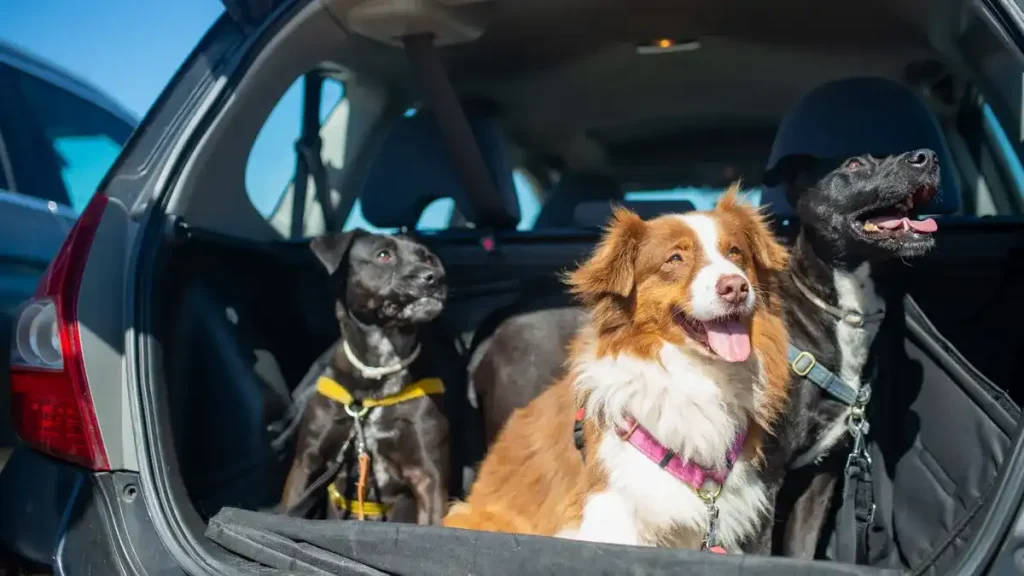
A dog road trip bag should include restraint gear, food and water, cleanup supplies, a leash setup, and at least one comfort item. For most dogs, the day-of-use essentials are a collar or harness with ID tags, a leash, a travel bowl, pre-portioned food, and poop bags.
A good dog packing list for long drives usually looks like this:
- Secure harness, crate, or travel barrier arrangement
- Collar with current ID tag
- 1 leash for walking plus 1 backup leash
- Travel bowl or collapsible bowl
- Food in pre-measured portions
- Water in a jug or bottle you can pour from easily
- Poop bags
- Paper towels and a small trash bag
- Towel for muddy paws or wet fur
- Wipes for quick cleanup
- Blanket or bed that smells familiar
- Treats for rest breaks
- Medications, if the dog takes any on a schedule
- Copies of vaccination records if the trip involves boarding, hotels, or border rules
The leash matters more than most people think. At a gas station or rest area, a 6-foot leash is easier to manage than a long retractable one because you can control distance without wrestling the spool. It is the difference between calm and a small circus.
I would skip the giant toy pile. One chew item and one comfort item are usually enough for a long drive. A backseat full of squeaky toys can turn into noise, clutter, and lost pieces under the seats. This pet road trip checklist for long drives is not for entertainment; it is for keeping the dog predictable.
One honest trade-off: if the dog is large, long-haired, or sheds heavily, the cleanup load grows fast. Bring more tape, extra towels, and a lint roller. A small bag will not cut it on a 10-hour drive with a mud-prone dog.
What to pack for a cat on a road trip
A cat road trip bag should prioritize the carrier, litter setup, and ways to keep the cat calm through routine. Cats are less forgiving of improvisation than dogs, so the pet road trip checklist for long drives needs to be tighter and more predictable.
Pack these cat essentials:
- Hard-sided or well-secured carrier
- Spare absorbent pad or liner for the carrier
- Small litter pan or disposable litter tray for overnight stops
- Enough litter for the trip, in a sealed container or bag
- Scoop and waste bags
- Food in measured portions
- Water bowl or shallow travel dish
- Familiar blanket or towel
- Harness and leash only if the cat is already accustomed to them
- Any prescribed medication
- Paper towels or pet-safe wipes
- Enzyme cleaner for accidents
- A spare collar with ID, if the cat wears one
The carrier is the anchor here. It should close easily, stay stable in the car, and clean up without a fight. Soft carriers can work for some cats, but a rigid carrier is easier to secure and less likely to collapse if something shifts in the trunk or back seat.
Do not assume a cat will use a travel bowl the same way a dog does. Many cats will only eat or drink when the environment is quiet and the bowl is shallow. That is why a familiar blanket and a low-profile dish matter. They reduce the number of new variables in a moving car.
The biggest mistake on cat trips is underpacking litter supplies because the drive seems short. A 7-hour drive is still a long time if the cat needs a clean, private place to go after a stop or at the hotel. Pack for the full day, not just the road segment. Otherwise the plan gets a little wobbly fast.
How to pack food, water, and feeding schedule for the drive
Pack food by feeding time, not by loose container, and plan water access around every stop. That keeps the schedule steady and makes it obvious whether a meal has been skipped or doubled.
A long-drive feeding plan is easier when you treat it like a sequence, not a buffet. If your pet eats twice a day, make two labeled meal bags per day. If the trip lasts 4 days, pack 8 meals and one extra meal’s worth of food in case of delay. The same idea works for treats: pack a small pouch, not the whole treat jar.
Use these guidelines:
- Feed on the pet’s usual schedule when possible
- Avoid a large meal right before departure
- Offer water at regular breaks, especially in warm weather
- Use a bowl that can be rinsed or wiped quickly
- Keep food sealed so it does not pick up fuel, road dust, or moisture
A feeding schedule matters because an upset stomach can ruin the drive for everyone in the car. A dog that eats a full meal and then rides for 3 hours may be less comfortable than one fed at a normal stop. A cat that is fed at random times may stop eating altogether, which creates a different kind of problem.
The practical answer is to pack one day’s meals in one bag or container and label it by date or stop. That avoids overfeeding when someone else is driving or when you are tired at night. If the pet has prescription food, keep that separate from all snacks and treats.
Hydration is a separate issue. You do not need a giant cooler, but you do need a way to offer clean water quickly. A 16- to 32-ounce bottle is usually enough for a single pet over short segments, though the exact amount depends on the pet, the weather, and the length of the drive. When in doubt, bring more than you think you need and keep it accessible.
What to pack for overnight stops and hotel nights
Pack one overnight pet kit so you can settle in without opening every bag in the car. That kit should contain the items that make a strange room feel normal in less than 10 minutes.
For an overnight stop, I would set aside:
- Bed cover, mat, or blanket from home
- Travel bowl
- One meal’s worth of food
- Water bottle
- Leash
- Waste bags or litter supplies
- Towel
- Wipes
- Medications
- One toy or comfort item
- Disposable liner or sheet for the carrier, crate, or hotel floor area
The reason to separate overnight gear is simple: the evening routine is different from the driving routine. At a hotel or rental, you may need to walk the dog at 11 p.m. or set up a litter spot right away. If those items are buried under luggage, the stop becomes stressful.
A lot of road trip trouble comes from not planning for the second and third use of the same item. A bowl used for breakfast may still be wet at dinner. A towel used for muddy paws may need to be swapped out before the next stop. Packing duplicates of the few items that get dirty fast is smarter than overpacking toys or extra blankets.
This is also where a car-cleanup bag earns its place. Bring a second trash bag for dirty laundry, so the overnight kit stays separate from the day kit. That small split keeps smells down and saves time the next morning.
Which cleanup and backup items save the most trouble
The best cleanup items are the ones that handle mess before it spreads. For a long drive, that means towels, wipes, waste bags, liners, and a cleaner that works on pet accidents.
The useful backup items are easy to overlook because they are not glamorous:
- 2 spare towels
- 1 extra leash
- 1 spare collar or harness clip, if your setup uses one
- Roll of paper towels
- Small bottle or packet of pet-safe cleaner
- Disposable gloves, if you prefer them for cleanup
- Garbage bags
- Lint roller or tape
- Plastic zip bags for wet items
- Spare carrier liner, blanket, or bed cover
The cost of skipping backups is time. If a leash snaps, a bowl cracks, or a towel gets soaked, you will spend the next stop trying to solve a simple problem with no spare part. That is how a 15-minute break becomes a 45-minute delay.
I would not pack a whole closet of accessories. The point is to cover the likely failures: wet fur, dirty paws, food spills, and one surprise accident. A pet road trip checklist for long drives works when it keeps the car clean enough that the next stop feels manageable.
Final judgment: this packing list is not for people who want to wing the trip and “see how it goes.” Long drives with pets reward preparation and punish improvisation. If the pet is anxious, medically fragile, or prone to motion sickness, the pet road trip checklist for long drives still helps, but it should be paired with advice from a veterinarian before departure.
What most people forget on a pet road trip checklist for long drives
The most forgotten items are the smallest ones that matter at the wrong moment. A backup leash, a labeled food bag, a spare towel, and a trash bag take almost no space, yet they solve the problems that stop a trip cold.
Common misses include:
- ID tags with current contact information
- Medication in the original container or a clearly labeled dose pack
- A way to secure the carrier or crate in the car
- An extra bottle of water
- A second set of cleanup supplies in case the first set gets used at a rest stop
- A dedicated pouch for documents, food labels, or boarding paperwork
- A familiar blanket or toy that smells like home
The real cost of forgetting these is not just inconvenience. It is the wasted time of hunting for a pet store, opening every suitcase, or trying to improvise with napkins and a grocery bag. That kind of scramble is exactly what a packing list is meant to prevent.
I would also keep one simple rule: if an item is needed before the first major stop, put it in the cab or passenger area, not the trunk. That includes the leash, water, cleanup bag, and one meal. A packed trunk is efficient, but an inaccessible trunk turns a packing list into a storage problem.
For the next trip, the goal is not perfection. It is repeatability. A clear pet road trip checklist for long drives you can use every time is better than a huge bag of half-used pet gear.
What do I need for a pet road trip?
You need a restraint setup, food, water, a travel bowl, a leash, and cleanup supplies. For a dog, add poop bags and an extra towel. For a cat, add a carrier, litter supplies, and a liner or absorbent pad. If the trip includes overnight stops, pack one separate kit for sleeping and meals.
How often should pets stop on long drives?
Pets should stop often enough to stretch, hydrate, and relieve themselves without waiting until they are uncomfortable. A practical stop rhythm is every few hours, with shorter gaps if the pet is young, older, or sensitive to travel. The exact schedule should match the animal, the weather, and the route.
Drafted with AI; not yet reviewed by a person.