Last updated: October 25, 2026
In short: the Pet Emergency Supplies Checklist for Cats, Dogs, and Small Pets should give each animal a carrier or crate, a 3–7 day food and water supply, species-appropriate medication, sanitation items, and current records in one grab-and-go kit. The exact contents change for cats, dogs, and small pets, because a rabbit does not need the same gear as a Labrador, and a dog’s muzzle is not useful for a guinea pig.
Key Takeaways
- Include containment, food, water, sanitation, ID, and records before comfort items.
- Pack one container in five passes so essentials stay reachable.
- A cat kit should center on a carrier, litter, and calm, hidden transport.
- A dog kit should match size and temperament, with medication, food, and cleanup supplies that fit.
A good checklist is not a “pet stuff” bin. It is a set of supplies that keeps an animal contained, fed, identifiable, and clean for a short period when normal routines break. That means choosing items by species first, then by the way the pet lives: indoor cat, large dog, small herbivore, or something in between. It also means deciding what you can carry in one trip. A 20-pound tote looks organized on a shelf and useless at a stairwell.
What belongs in a Pet Emergency Supplies Checklist
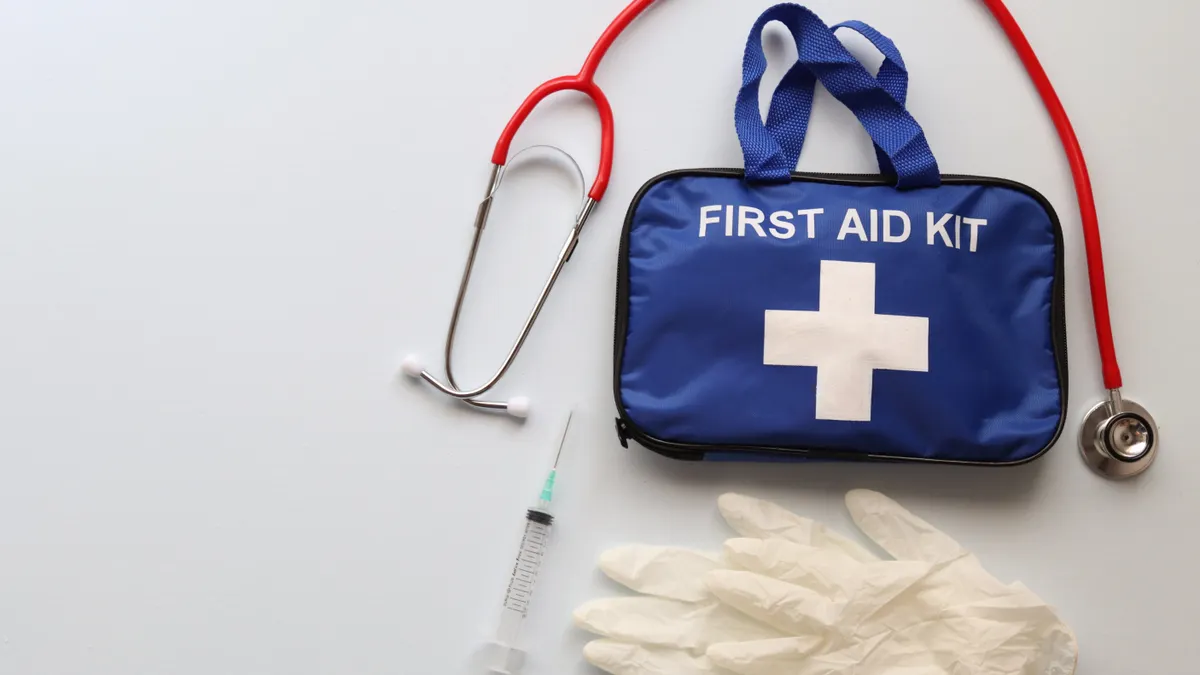
A Pet Emergency Supplies Checklist should include containment, food, water, sanitation, ID, and records before anything that looks like comfort gear. The point is to keep the animal alive, identifiable, and manageable for at least several days, not to recreate home.
Start with the basics that apply to almost every pet:
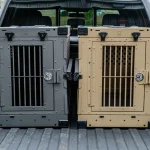
- A sturdy carrier, crate, or travel cage sized for the animal
- Food for at least 3 days, ideally up to 7 days if storage allows
- Water in sealed containers or clean bottles
- Bowls or dishes that do not tip easily
- Medications, dosage labels, and written instructions
- Waste bags, litter, absorbent pads, or cage lining
- Paper towels, gloves, and a pet-safe disinfectant
- Current vaccination and medical records
- A collar, harness, ID tag, or other restraint the animal already tolerates
- A recent photo of the pet for identification
The right rule is simple: if the item only helps after the immediate emergency is over, it is secondary. A blanket matters. A Halloween costume does not. A fancy feeder matters less than a plain bowl that cannot spill in a moving car.
Food storage deserves more thought than most lists give it. Dry kibble stays easier to rotate than opened cans, but wet food is valuable for pets that refuse dry food or need extra moisture. Store food in sealed containers, keep the original packaging when possible, and note the date the bag or can was opened. Rotate the stock every few months rather than letting it sit for a year.
Records belong in the kit, not on a shelf across the house. Keep copies of vaccination history, prescriptions, microchip numbers, the veterinarian’s number, and any special feeding or handling notes. A labeled envelope or zip pouch is enough. If the animal has a chronic condition, add the name and dose schedule of the medication in plain language, not just a pharmacy label.
Because the kit starts with containment and records, the next step is choosing what can actually move with the animal. Cats need different restraint and sanitation than dogs. Small pets need very different housing, because a wire cage, proper bedding, and species-appropriate food matter more than a leash ever will.
How do I pack a pet emergency kit without forgetting the basics?
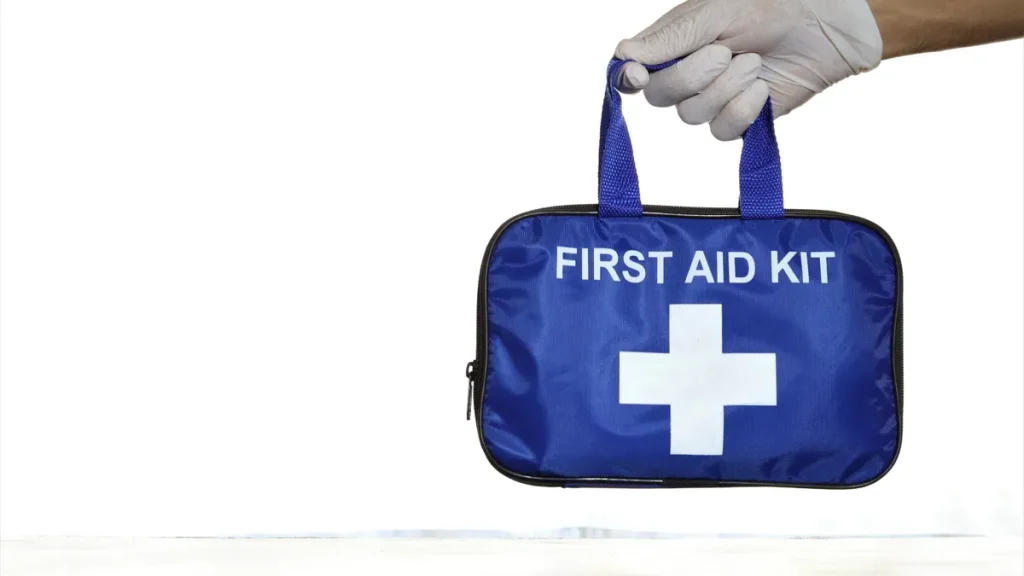
Pack the kit in one container, then build it in five passes so nothing essential gets buried under extras. A 20- to 30-quart plastic bin, duffel, or rolling tote is usually enough for one medium pet; multi-pet households often need more than one container.
-
Put the documents in a zip pouch at the top.
Use vaccination records, microchip info, medication instructions, and a contact card with the veterinarian’s phone number. That way, anyone helping you can see the critical information within 30 seconds. -
Add the species-appropriate carrier, crate, or travel cage.
Place it where you can reach it first, not under food bags. A cat carrier, wire dog crate, or small-animal travel cage is the difference between controlled transport and a loose animal in a stressful space. -
Pack food and water for the first 72 hours.
Use sealed containers, extra cans, a scoop, and a bottle or jug that is clearly labeled. Three days is the minimum practical buffer for a short disruption. -
Add sanitation and restraint items.
Include waste bags, cat litter, absorbent pads, cage liner paper, a harness, leash, or towel, plus disposable gloves. That keeps cleanup possible in a car, hotel room, or shelter intake area. -
Finish with the medication and comfort layer.
Store pills, syringes, dose records, a blanket, and a favorite toy in a smaller bag on top. The goal is fast access, not a perfect packing cube.
A common mistake is mixing human emergency gear into the pet kit until the bag becomes too heavy to move. That costs time when you need to leave quickly. Keep pet supplies separate, even if they share the same closet. Another mistake is packing one big food bag and no measuring scoop. That leads to overfeeding or underfeeding when stress changes the animal’s appetite.
If the animal is on a prescription diet or medication, do not assume you can replace it later. Keep at least a short reserve and note the exact product name. Vague labels like “dog food” are not enough when an animal eats a specific formula.
Cats: the supplies that matter most for a feline emergency kit
A cat emergency kit should prioritize a carrier, a litter solution, and a way to keep the cat hidden and calm. Cats are usually less tolerant of open movement than dogs, and many will bolt if the routine changes suddenly.
The carrier is not optional. Use a hard-sided or sturdy soft-sided carrier that the cat already recognizes if possible. A carrier with a top-opening panel helps when a cat refuses to walk in. Put a folded towel or blanket inside so the floor is not slippery. For a cat that hides under furniture, a blanket over the carrier can lower visual stress during transport.
Litter is the item people forget most often. Pack a small litter tray or disposable pan, a bag of litter, and waste bags or zip-top bags for disposal. If space is tight, a shallow aluminum tray or collapsible litter box works better than loose litter in a bag. A cat without a familiar elimination setup may hold urine longer than is safe or soil the carrier.
Food should match what the cat normally eats. Some cats eat only one brand or texture, and a sudden switch can trigger refusal. Pack dry food if the cat accepts it, plus a few cans or pouches if that is the regular diet. Water should be fresh and offered in a stable bowl, not a flimsy cup that tips inside a vehicle.
A cat-specific kit also needs a gentle restraint item, such as a harness the cat already wears without panic, or a towel for wrapping during handling. Do not assume a cat will accept a harness for the first time in a crisis. That is a training problem, not a packing problem.
What not to rely on: a collar alone, a loose blanket, or an open-top box. Those fail fast when a frightened cat twists, climbs, or lunges. A cat kit is wrong for someone who plans to improvise restraint on the spot.
For authority on travel and care decisions, the American Association of Feline Practitioners and the American Veterinary Medical Association both publish practical cat-care guidance. Their material is useful for checking whether your supplies match the animal’s normal handling needs.
Dogs: how to tailor the kit for size, behavior, and medication
A dog emergency kit should include a crate or leash system that fits the dog’s size and temperament, plus medication, food, and cleanup supplies that can handle a larger mess. The biggest difference from a cat kit is restraint: a dog may need a harness, lead, or crate that can be used quickly and safely outdoors.
Start with containment that matches the dog’s body. A small dog may travel safely in a compact carrier. A medium or large dog usually needs a crate, sturdy harness, and leash. If the dog is reactive or tends to pull, a backup leash is worth packing. A 6-foot leash is a practical standard for moving through crowded areas without too much slack.
For food, bring the exact diet the dog normally eats. This matters more for dogs with sensitive stomachs, senior dogs, and dogs on prescription formulas. If the dog eats dry kibble, portion some into labeled bags or containers so you are not hauling an entire giant sack. If the dog needs wet food, pack a manual can opener and enough cans for the first few days.
Medication matters more for dogs than many owners expect, because dogs are more likely to need regular heart, seizure, thyroid, or pain medication. Keep the original labeled bottle or package when possible, plus a written dose schedule. If the dog needs insulin or another temperature-sensitive medication, talk with a veterinarian about storage requirements before you rely on a cooler bag alone.
Cleanup items should scale up too. Large dogs produce more waste, more mud, and more odor. Pack waste bags, paper towels, disposable gloves, and absorbent pads. If the dog urinates in a crate or vehicle, those pads can save the lining and reduce stress during transport.
A dog kit is not just for calm, trained pets. The more excitable the dog, the more important it becomes to have a harness that fits now, not one you plan to buy later. A poorly fitted harness can slip or rub raw spots after a few hours. A muzzle may be useful for a dog that bites when frightened, but it should be a size the dog already knows and can wear briefly without panic.
The wrong fit for this kit is a toy-breed dog treated like a giant breed, or vice versa. Consult a veterinarian or trainer if you are unsure whether a specific carrier, crate, or restraint fits your dog’s size and behavior. A Chihuahua and a Great Dane need the same categories of supplies, but not the same sizes, container strength, or walking gear.
Small pets need different supplies than cats and dogs
Small pets need a travel-safe enclosure, bedding, species-specific food, and extra temperature protection because they are more vulnerable to stress and drafty spaces. This category covers rabbits, guinea pigs, hamsters, gerbils, mice, rats, and similar animals that cannot simply be clipped to a leash.
The enclosure matters most. A small pet should travel in a secure carrier, cage, or transport box with ventilation and a solid floor, if the species and animal’s handling needs allow it; a veterinarian or experienced rescue professional can help you choose the safest setup. Wire alone is not enough if the animal can escape or get a foot caught. Add familiar bedding and a hide box if the species uses one. For a rabbit or guinea pig, a towel or fleece layer can reduce slipping and help the animal feel anchored.
Food must be species-specific. A rabbit emergency kit needs hay more than pellets. A guinea pig needs its usual pellets and vitamin C–appropriate feed. A hamster or gerbil needs its normal seed or pellet mix. Do not substitute cat food or dog food because it is “small” or “easy to find.” That is a fast way to create digestive trouble.
Water can be offered in a bottle or low dish depending on the animal’s normal setup. Some small pets drink better from a bottle they already know. Pack both if space allows. For bedding and sanitation, include extra liner material, paper-based bedding if that is the regular choice, and small trash bags for soiled material.
Small pets are also the group most often forgotten in sheltering because their gear looks less urgent than a dog crate. That mistake costs comfort and can become a health problem quickly, especially in cold rooms or drafty vehicles. A blanket over the carrier, with airflow preserved, can help regulate exposure without trapping heat completely.
This is not the place for improvisation. A rabbit in a cardboard box for several hours is a poor substitute for a proper carrier. A hamster in a deep tote full of loose bedding may seem cozy but can be hard to check and secure; if you are unsure, ask a veterinarian or experienced small-animal rescuer what will work for that species. Keep the setup simple, ventilated, and species-appropriate.
The Humane Society of the United States and the RSPCA both publish practical small-animal care information that can help you check whether your enclosure and feeding choices make sense for the species you own.
What people leave out of the kit, and why it matters
The most common omissions are medication, records, sanitation, and a way to restrain the animal without injury. Those gaps turn a stocked bin into a half-prepared one.
Medication is often left in the bathroom cabinet, where it is easy to miss. That costs time, and time matters when a pet needs a dose schedule or a chronic medication. Put the medication in the kit with a backup note that says what the drug is for, how much to give, and when the last dose was taken.
Records get skipped because they feel “administrative.” In practice, they can speed admission to boarding, a temporary shelter, or a clinic. Keep copies of rabies certificates, microchip numbers, and any special care instructions in a waterproof pouch. Even a single-page summary is better than nothing.
Sanitation supplies are easy to undervalue until a dog soils a crate or a rabbit needs fresh bedding. Pack enough waste bags, pads, paper towels, and disinfectant to manage at least a couple of cleanups. A pet emergency kit that cannot be cleaned becomes a contamination problem fast.
Restraint is another weak point. A leash without a working clip, a cat without a carrier, or a small pet without a secure enclosure creates a flight risk. The cost is not just inconvenience. It can become a lost pet problem in a parking lot, hallway, or shelter intake line.
The biggest trade-off is size versus readiness. A perfect kit that is too heavy to move is less useful than a simpler one you can grab with one hand. That is why this checklist is not for someone building a full disaster cache. It is for someone who wants a real, portable kit that works for cats, dogs, and small pets without pretending those animals need the same supplies.
The pet emergency gear hub can sit above this checklist as the broader planning layer. This page is the part that tells you what goes in the bag.
Final checklist: the fastest way to compare cats, dogs, and small pets
A practical final check is to make sure each pet has the same seven categories covered, even though the exact items differ. Use this as the last pass before you close the bin:
- Containment: carrier, crate, or travel cage
- Food: species-appropriate supply for 3–7 days
- Water: sealed containers or a clean bottle
- Sanitation: litter, pads, bags, bedding, wipes
- Restraint:
Drafted with AI; not yet reviewed by a person.